You Won’t Believe What This Greek Island Hides in Plain Sight
Zakynthos isn’t just about postcard beaches and turquoise water—there’s a soul beneath the surface. I went looking for sunsets and swimming, but found something deeper: vibrant traditions, quiet chapels with centuries-old icons, and local artists keeping stories alive through pottery, music, and paint. This island breathes culture in ways most travelers never notice. If you’ve ever thought Zakynthos was just a party spot or a swim destination, trust me—you’re missing half the story. Beneath the surface of its famous shorelines lies a living tapestry of history, faith, art, and community that has endured for generations. To truly know Zakynthos is to step beyond the beach towel and into the rhythm of daily island life, where tradition isn’t preserved behind glass but practiced with quiet pride in village squares, family homes, and hillside studios.
Beyond the Beaches: Discovering Zakynthos’ Cultural Heart
When most travelers think of Zakynthos, their minds drift to the iconic Navagio Beach—its white sands framed by towering limestone cliffs, accessible only by boat. Or perhaps they recall the lively energy of Laganas, where summer nights pulse with music and laughter. These are undeniably beautiful facets of the island, but they represent only a fraction of what Zakynthos truly offers. Beyond the well-trodden tourist zones, a quieter, more enduring world unfolds—one shaped by centuries of resilience, faith, and craftsmanship. The island’s cultural heart beats strongest in its inland villages: Ano Gerakari with its hand-painted church domes, Volimes where olive groves stretch across terraced hills, and Exo Chora, where stone houses cling to the mountainside like echoes of another time.
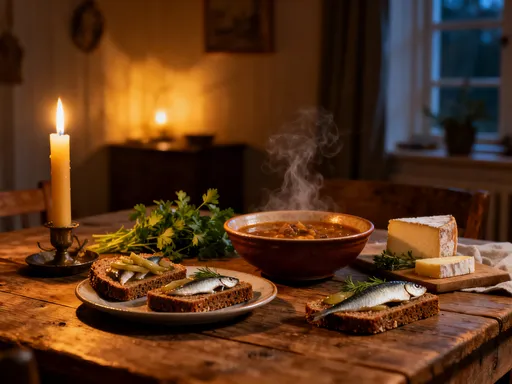
In these communities, life moves at a different pace. Mornings begin with the scent of fresh bread from wood-fired ovens and the distant chime of church bells. Elderly women sit outside whitewashed homes, knitting or shelling beans, exchanging stories in soft, melodic Greek. Children run barefoot through narrow alleys, chasing goats or kicking old tin cans. There’s a sense of continuity here—a thread connecting past and present that tourism has not erased. Families still gather on Sundays after liturgy, sharing long meals of slow-cooked lamb, dakos salad, and local wine poured from ceramic jugs. These rituals aren’t staged for visitors; they are lived, quietly and sincerely, every day.
What sets Zakynthos apart from other Greek islands is this deep-rooted sense of identity. While tourism plays an important role in the economy, it has not displaced local culture. Instead, many residents take pride in sharing their heritage with those who show genuine interest. A visitor asking about a church fresco might be invited inside by a caretaker to see centuries-old icons. Someone admiring handmade lace could be led to a grandmother’s porch, where her fingers fly across the bobbins as she explains the patterns passed down from her mother. This openness isn’t performative—it’s born of respect and a desire to keep traditions alive. To experience Zakynthos fully, one must look beyond the coastline and embrace the island’s soul: its people, their stories, and the quiet dignity of everyday life.
Echoes of History: Byzantine Roots and Venetian Whispers
The story of Zakynthos is written in stone, song, and sacred text. Its history is layered like the island’s limestone cliffs—each era leaving behind traces that still shape life today. The earliest known settlements date back to antiquity, but it was during the Byzantine period that the island’s spiritual and cultural foundations were firmly laid. Christianity took root deeply, and monasteries became centers of learning, art, and resistance during times of upheaval. Even now, the influence of Byzantine tradition can be seen in the island’s religious festivals, liturgical music, and the intricate iconography that adorns churches across the landscape.
But Zakynthos’ most transformative chapter began in the 15th century, when it came under Venetian rule. For over three centuries, the island was part of the Venetian Republic, a period that left an indelible mark on its architecture, language, and social fabric. The capital, Zakynthos Town (also known as Chora), still bears the elegant imprint of this era. Narrow cobblestone streets wind beneath arched passageways, while pastel-colored buildings with shuttered windows and wrought-iron balconies line the squares. The Venetians introduced new agricultural practices, expanded trade, and fortified the island against pirate raids, building watchtowers along the coast that still stand sentinel over the sea.
Perhaps the most enduring legacy of Venetian rule is the island’s unique blend of Hellenic and Western European influences. This fusion is evident in the local dialect, which includes Italianate words and phrases, and in the cuisine, where dishes like pastitsio coexist with risotto-like preparations. The Museum of Solomos and Eminent Zakynthians in Zakynthos Town offers a profound glimpse into this cultural synthesis. Dedicated to Dionysios Solomos, Greece’s national poet—who was born on the island—the museum also honors other intellectuals, artists, and clerics who shaped modern Greek thought. Here, visitors encounter original manuscripts, religious relics, and personal artifacts that reveal how Zakynthos became a cradle of enlightenment during the 18th and 19th centuries.
The Agios Dionysios Church, dedicated to the island’s patron saint, stands as another testament to this layered history. Built in the 19th century on the site of an older church, it houses the saint’s relics and features a magnificent iconostasis carved in wood and gilded with gold. The annual feast day on August 31 draws thousands in procession, blending solemn devotion with vibrant celebration. Street names throughout the town—like Strata Piazza and Strata Sotiri—still echo the Italian tongue once spoken by the elite. These aren’t relics of a forgotten past; they are living elements of identity, woven into the way locals speak, worship, and remember.
The Art That Time Forgot: Local Craftsmanship Still Alive
In an age of mass production, Zakynthos remains a sanctuary for handmade artistry. Scattered across the island, in quiet corners of villages and hillside hamlets, small workshops hum with the quiet dedication of artisans who have spent decades perfecting their craft. These are not souvenir stalls churning out generic trinkets, but living ateliers where tradition is preserved through touch, memory, and patience. Pottery, woodcarving, icon painting, and lace-making endure not as museum pieces but as practiced arts, passed from one generation to the next with little fanfare but deep reverence.
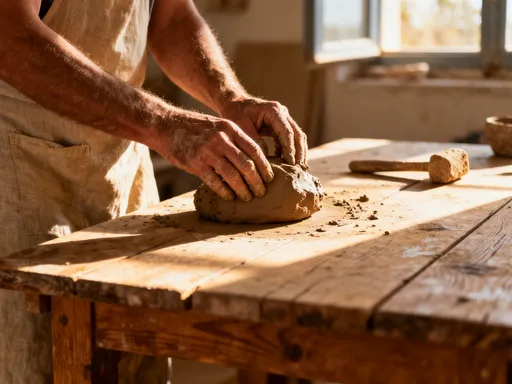
One such place is a modest pottery studio in the village of Lithakia, where third-generation potter Nikos Kouris shapes clay using methods unchanged for over a century. His hands, calloused and stained with earth, move with instinctive precision as he centers the wheel and pulls the vessel upward. The clay comes from local deposits, rich in minerals that give the finished pieces their distinctive warmth and durability. After firing in a wood-burning kiln, the ceramics are glazed in earthy tones—ochre, olive green, deep cobalt—often painted with motifs inspired by nature: olive branches, sea waves, or the twin-headed eagle of Byzantium. Visitors are welcome to watch, and some even try their hand under Nikos’ guidance, experiencing the humbling challenge of shaping something beautiful from raw earth.
Equally compelling is the tradition of woodcarving, particularly in the mountainous region of Skopos. Here, master carver Elias Markatos spends months crafting religious icons and church furnishings, using walnut and olive wood sourced from fallen trees. Each piece begins with a sketch, then evolves through meticulous hand-chiseling, sanding, and polishing. The final step is gilding—applying thin sheets of gold leaf to highlight halos, robes, or sacred symbols. Elias welcomes guests to his workshop, where the air carries the scent of sawdust and beeswax. He speaks softly of his father and grandfather, both carvers, and how their work sustained the family through war and hardship. “This isn’t just a job,” he says. “It’s a way of honoring God and remembering who we are.”
These artisans do not seek fame or viral attention. Their work is slow, intentional, and deeply personal. Yet their presence enriches the island immeasurably. To own a piece of Zakynthian pottery or a hand-carved icon is not merely to possess an object—it is to hold a fragment of living history. And for the traveler willing to seek them out, these encounters offer a rare authenticity that no guided tour can replicate.
Music in the Air: Where Rebetiko Meets Island Soul
If Zakynthos has a soundtrack, it is the sound of strings—mandolins, bouzoukis, and lyres—rising above the hum of cicadas on a summer evening. Music here is not entertainment; it is memory, emotion, and connection. It flows through family gatherings, village feasts, and religious celebrations, binding generations together in shared rhythm and melody. The island’s musical heritage is a blend of mainland Greek traditions, maritime influences, and local innovations, creating a sound that is at once familiar and distinctly Zakynthian.
One of the most powerful expressions of this musical soul is rebetiko, often called the “Greek blues.” Born in the urban margins of the early 20th century, rebetiko carries themes of longing, loss, and resilience—emotions that resonate deeply with Zakynthians, whose history includes earthquakes, invasions, and exile. On weekend nights in Bochali, a hilltop village overlooking the town, small tavernas host informal rebetiko sessions. Elders gather with instruments, swapping verses in rich, gravelly voices, while younger listeners lean in, absorbing the stories embedded in every note. These gatherings are unscripted, spontaneous, and deeply moving—an oral history played on strings.
But Zakynthos’ musical identity extends beyond rebetiko. Traditional folk songs, known as dimotika, are performed during festivals and weddings, often accompanied by dancing in the syrtos or kalamatianos style. The melodies are passed down orally, with lyrics that speak of love, the sea, and the changing seasons. In recent years, a new generation of musicians has begun reinterpreting these songs, blending them with jazz, classical, or electronic elements. Yet even in modern arrangements, the emotional core remains unchanged. One such artist, Maria Theodorou, performs at cultural events across the island, her voice soaring over mandolin and violin in haunting renditions of old lullabies and wedding songs.
For visitors, the best way to experience this musical tradition is simply to listen—to be present when the instruments come out and the singing begins. There is no stage, no ticket, no performance in the conventional sense. It happens in courtyards, under grape arbors, in the glow of lantern light. And in those moments, music becomes a bridge—between past and present, between guest and host, between silence and soul.
Feast Days and Faith: Culture Woven into Ritual
On Zakynthos, faith is not confined to Sunday mornings or church walls. It spills into the streets, illuminates the night sky, and gathers the community in shared ritual. Religious feast days are among the most profound expressions of island culture—events that blend solemn devotion with vibrant celebration, tradition with emotion. The most significant of these is the Feast of the Assumption on August 15, commemorating the Virgin Mary’s ascent to heaven. Across Greece, this day is a national holiday, but on Zakynthos, it is something more: a spiritual and cultural cornerstone.
In the days leading up to the feast, villages prepare with quiet anticipation. Homes are cleaned, special foods are prepared—baked fish, stuffed vegetables, honey-drenched pastries—and white candles are purchased for the procession. On the evening of the 14th, the church fills with families dressed in their finest clothes. The air is thick with the scent of beeswax and incense as the priest leads vespers by candlelight. Hymns rise in ancient Greek, their melodies slow and haunting, echoing off stone walls. Children clutch flowers, waiting for the moment when the Epitaphios—a richly embroidered cloth bearing the image of the Virgin—will be carried through the streets.
At midnight, the procession begins. The Epitaphios is lifted onto the shoulders of pallbearers, surrounded by rows of worshippers holding lit candles. The path winds through narrow lanes, past homes where windows are thrown open to catch the light and song. The procession moves slowly, reverently, the flickering candles forming a river of gold against the dark sky. In some villages, the route ends at the sea, where the icon is blessed with holy water before being returned to the church. It is a moment of profound beauty—a convergence of faith, nature, and community that transcends words.
Other feast days follow a similar rhythm: the Dormition of the Virgin in late summer, the Feast of Agios Dionysios in autumn, and Easter, which remains the most sacred and elaborately observed holiday. These events are not tourist attractions; they are lived experiences, open to respectful visitors who come not to gawk but to witness. To attend one is to understand that on Zakynthos, religion is not separate from culture—it is its foundation.
Hidden Galleries and Street Stories: Modern Art Meets Tradition
While Zakynthos honors its past, it is not frozen in time. A quiet but growing contemporary art scene thrives in unexpected places—small galleries in hillside villages, pop-up exhibitions in restored barns, and open-studio events during the summer months. These spaces offer a fresh perspective on the island, where modern artists draw inspiration from its light, landscape, and mythology to create works that are both rooted and innovative. Unlike the commercial galleries found in tourist hubs, these venues prioritize authenticity, connection, and dialogue.
In Bochali, a picturesque village perched above Zakynthos Town, the Kouris Gallery showcases the work of local painters who capture the island’s essence through impressionistic brushwork and luminous color. One artist, Eleni Vlachou, specializes in seascapes that convey not just the beauty of the coast but its emotional resonance—the way the light shifts at dusk, or how the waves seem to whisper secrets to the shore. Her paintings hang alongside those of her late father, creating a visual conversation across generations. The gallery is family-run, and visitors are often greeted with coffee and conversation, turning an art viewing into a personal encounter.
Further south, in the village of Keri, the Keri Caves Art Space combines natural wonder with creative expression. Housed in a series of limestone chambers near the famous sea caves, the venue hosts rotating exhibitions that respond to the environment—installations made from driftwood, soundscapes inspired by the tide, or textile works dyed with local herbs. These pieces do not compete with the landscape; they amplify it, inviting viewers to see the island with new eyes. The space also hosts workshops for children and adults, fostering a culture of creativity that extends beyond the professional artist.
Street art, too, has found a place on Zakynthos, though it is subtle and respectful. In Ano Gerakari, murals painted on whitewashed walls depict scenes from local legends, agricultural life, and religious parables. These are not graffiti but commissioned works, created in collaboration with the community. They serve as open-air storytelling, accessible to all. For the traveler, exploring these hidden galleries and artistic spaces offers a deeper understanding of Zakynthos—not as a static postcard, but as a living, evolving culture.
How to Travel Deeper: A Practical Guide to Cultural Immersion
Experiencing Zakynthos beyond the beach requires intention, respect, and a willingness to slow down. The island rewards curious travelers who seek connection over convenience. Timing is key: visiting between late May and early June, or September to early October, allows access to local festivals without the peak-season crowds. The Feast of the Assumption (August 15) and the Agios Dionysios celebration (August 31) are ideal opportunities to witness religious and cultural traditions firsthand, but visitors should remember these are sacred events, not performances. Dress modestly, speak softly, and observe quietly unless invited to participate.
To engage with local artisans, seek out workshops in villages like Lithakia, Skopos, or Volimes. Many potters, carvers, and weavers welcome visitors by appointment or during open-house weekends. A simple inquiry at a village café or community center can lead to a meaningful encounter. When attending a church service or feast day, always ask permission before taking photographs, and never interfere with rituals. A small donation to the church or a gift of flowers for the icon is a respectful gesture.
For those interested in music, inquire at local cultural centers about rebetiko nights or folk performances. These are often unadvertised, passed by word of mouth, but deeply welcoming to respectful guests. Dining at family-run tavernas in inland villages—rather than resort-area restaurants—offers not just delicious food but conversation with locals who may share stories, recipes, or recommendations. Renting a car allows access to remote villages and hidden viewpoints, but always drive cautiously on narrow roads and yield to residents.
Ultimately, cultural immersion on Zakynthos is not about checklist tourism. It is about presence—about sitting quietly in a village square, listening to elders speak, watching hands shape clay, or standing in candlelight as hymns rise into the night. It is about recognizing that the island’s greatest treasures are not its beaches, but its people and their enduring way of life.
Zakynthos reveals its magic slowly—not in headlines, but in quiet moments: an old man tuning a bouzouki, a nun lighting candles at dawn, a potter’s hands shaping clay just like his grandfather did. The island’s culture isn’t performed for tourists; it’s lived. By choosing to look deeper, travelers don’t just see Zakynthos—they feel it. And that changes everything.