This Is Vietnam’s Tastiest Secret – And Everyone’s Obsessed
Ho Chi Minh City doesn’t just buzz with energy—it explodes with flavor. I went looking for pho and found so much more: sizzling street grills, steaming banh mi stalls, and coffee so strong it pulls you into the moment. This isn’t just eating; it’s a full sensory dive into Vietnam’s soul. If your idea of travel includes licking your fingers clean at a plastic stool by the sidewalk—welcome to the real deal. The city’s culinary heartbeat is loud, unapologetic, and deeply personal. Every alley tells a story of tradition, innovation, and survival. From the first sip of bitter-sweet coffee at dawn to the last bite of grilled pork at midnight, food in Ho Chi Minh City is not a side note to life. It is life itself, served hot and shared without pretense.
The Heartbeat of Saigon: Where Food Meets Life
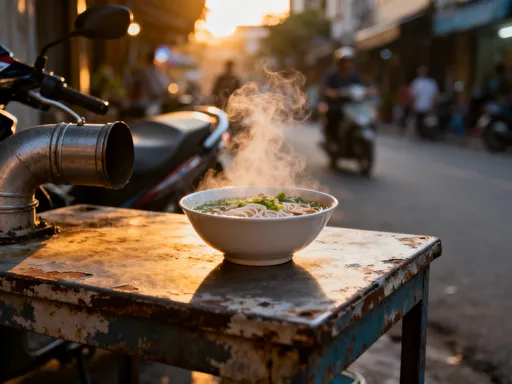
In Ho Chi Minh City, the rhythm of daily life is measured in meals. The day begins before sunrise, when street vendors set up their folding tables and light their charcoal stoves. By 6 a.m., the sidewalks are already alive with people crouched on tiny plastic stools, elbows brushing strangers as they slurp bowls of hu tieu, a delicate noodle soup fragrant with pork broth and garlic chives. The air hums with the sound of motorbikes weaving through clusters of diners, the sizzle of meat on grills, and the steady clink of spoons against ceramic bowls. This is not chaos—it is harmony, a well-rehearsed dance between vendors and customers, locals and late risers, all united by hunger and habit.
Food here is more than nourishment; it is a social anchor. Lunchtime transforms office districts into open-air dining halls, where workers spill out of skyscrapers to line up at hole-in-the-wall kitchens serving com tam, broken rice topped with grilled pork, egg, and pickled vegetables. Dinner is a family affair, often eaten on sidewalks under string lights, where grandparents sip tea while children chase each other between tables. Even at midnight, the city doesn’t sleep—it shifts gears. Night markets bloom in District 3 and Pham Ngu Lao, offering steaming bowls of mi quang, a turmeric-colored noodle dish from central Vietnam, or skewers of grilled quail brushed with honey and fish sauce.
To eat like a local is to embrace this rhythm. It means trusting the unmarked stall with a crowd of motorbike drivers, knowing that high turnover equals freshness. It means understanding that the best meals often come without menus, without chairs, and sometimes without napkins. The city rewards those who slow down, observe, and follow the cues: the steam rising from a pot, the clatter of a wok, the nod of a regular customer. In Ho Chi Minh City, food is not just consumed—it is experienced, moment by moment, bite by bite.
Banh Mi to Pho: Iconic Bites That Deliver
No visit to Vietnam is complete without tasting its two most celebrated dishes: banh mi and pho. These are not just meals—they are culinary icons, each a testament to the country’s history, resilience, and ingenuity. The banh mi, a crusty French baguette born from colonial influence, has been transformed into something entirely Vietnamese. Stuffed with a symphony of flavors—crisp pickled daikon and carrots, slivers of chili, fragrant cilantro, a smear of pâté, and your choice of protein from cold cuts to grilled pork—the sandwich is a perfect balance of textures and tastes. The first bite delivers a crackle from the bread, followed by a burst of tangy, spicy, savory notes that linger on the tongue.
Authentic pho, on the other hand, is a lesson in patience and precision. A true bowl begins with a broth simmered for hours, often overnight, using beef bones, charred ginger, onion, and a blend of spices including star anise, cinnamon, and cloves. The result is a clear, aromatic liquid that warms you from the inside out. Thinly sliced beef, often raw when served, cooks gently in the hot broth, turning tender within seconds. Fresh herbs—basil, lime, bean sprouts—are added at the table, allowing each diner to customize their bowl. The experience is both comforting and exhilarating, a daily ritual for millions.
For the best versions of these dishes, look beyond tourist-heavy areas. In District 1, locals swear by a small stall near Ben Thanh Market that opens at 5:30 a.m. and sells out by 9 a.m. Another favorite, tucked behind an alley in District 5, serves pho with a broth so rich it’s been passed down through three generations. The key is turnover—busy stalls mean fresh ingredients and constant replenishment. Avoid places where food sits under heat lamps for hours. Instead, watch for signs of activity: steaming pots, quick service, and a line of locals on motorbikes. These are the markers of authenticity, where tradition meets appetite.
Off the Radar: Hidden Eateries Only Locals Know
Beyond the well-trodden paths of District 1 lies a network of neighborhood kitchens that define Ho Chi Minh City’s true culinary soul. These are not destinations with neon signs or Instagrammable decor. They are humble, often unmarked, and run by families who have been serving the same recipes for decades. In District 3, a widow in her seventies serves mi quang from a single pot every evening, her turmeric broth glowing under a single bulb. In Tan Binh, a former factory worker turned chef grills marinated pork ribs over charcoal, serving them with sticky rice and a fiery dipping sauce made with fermented fish.
What sets these spots apart is not convenience but authenticity. They rarely have English menus, and many operate on a cash-only basis. Their signs, if any, are handwritten in Vietnamese, taped to the wall or propped on a table. Seating is often limited to a few plastic stools, and service is brisk, almost silent. Yet, the food speaks volumes. A plate of com tam here might come with a perfectly fried egg, its yolk still runny, and a side of shredded pork skin for crunch. A bowl of bun cha—grilled pork with rice vermicelli and herbs—might be served with a dipping sauce so balanced it makes you pause mid-bite.
Finding these places requires more than an app. It demands observation. Watch where office workers go for lunch. Follow the motorbikes parked in clusters on quiet streets. Notice where families gather in the evenings. These are the quiet signals of a trusted kitchen. Some travelers join local food walks led by Vietnamese guides who know the backstreets intimately. Others simply wander, trusting their nose to lead them to a simmering pot or a cloud of wood smoke. The reward is not just a meal, but a connection—to a cook, a neighborhood, a moment in time that feels untouched by tourism.
Street Food Safety: Eat Fearlessly, Stay Healthy
For many travelers, especially those new to Southeast Asia, the idea of eating on the street raises concerns about hygiene and safety. It’s a valid worry, but one that can be managed with simple, practical steps. The truth is, millions of people eat street food in Ho Chi Minh City every day without issue. The key is not avoidance, but smart choices. Start by looking for stalls with high turnover. A long line of locals is one of the best indicators of freshness and safety. Food that moves quickly is less likely to sit out and spoil.
Observe the cooking process. Dishes that are grilled, fried, or served in boiling broth are naturally safer, as high heat kills most bacteria. Watch for vendors who use tongs or gloves when handling food, and those who keep ingredients covered until ready to serve. Bottled water is widely available and recommended for drinking, especially when paired with meals. Avoid ice unless you’re in a reputable restaurant, as its source can be uncertain. If you’re unsure, ask for your drink “khong da”—without ice.
It’s also wise to carry a small bottle of hand sanitizer, using it before and after meals. While handwashing facilities may be limited, most locals adapt by washing hands at home or using wipes. Don’t let fear keep you from the experience. The vast majority of street food in Ho Chi Minh City is prepared with care and pride. Vendors depend on repeat customers, so their reputation is tied to quality and safety. By following these guidelines, you can enjoy the full spectrum of flavors without compromising your health. The goal is not to eliminate risk entirely—that’s impossible—but to minimize it while maximizing the joy of discovery.
Coffee Culture: More Than Just a Caffeine Fix
Vietnam’s coffee culture is legendary, and in Ho Chi Minh City, it’s a daily ritual that transcends generations. The most iconic drink, ca phe sua da, is a potent blend of strong dark roast coffee and sweetened condensed milk, poured over ice. What makes it unique is the brewing method: a small metal filter, called a phin, is placed over a glass, filled with finely ground coffee, and slowly dripped with hot water. The process takes three to five minutes, a deliberate pause in the city’s fast pace. As the thick, dark liquid seeps through, it mingles with the condensed milk below, creating a rich, velvety drink that is both bitter and sweet, energizing and comforting.
Coffee shops in the city range from sleek, modern cafes in District 1 to corner stalls with plastic stools and ceiling fans. In the mornings, office workers sip their ca phe sua da while scrolling through phones or reading newspapers. In the afternoons, students gather in clusters, sharing stories over iced coffee and fried spring rolls. Some cafes specialize in traditional brewing, while others experiment with cold brew and pour-over methods. Yet, even in the most modern settings, the phin filter remains a symbol of authenticity.
What sets Vietnamese coffee apart is not just the taste, but the ritual. It’s not meant to be rushed. The slow drip, the careful stirring, the first sip—these are moments of mindfulness in a bustling city. Compared to third-wave coffee trends elsewhere, which often emphasize origin and terroir, Vietnam’s approach is more about accessibility and soul. Coffee here is not a luxury; it’s a necessity, a shared pleasure that brings people together. To experience it fully, sit on a low stool, order a glass, and let the city swirl around you. In that moment, you’re not a tourist—you’re part of the rhythm.
Markets & Food Tours: A Deeper Taste of the City
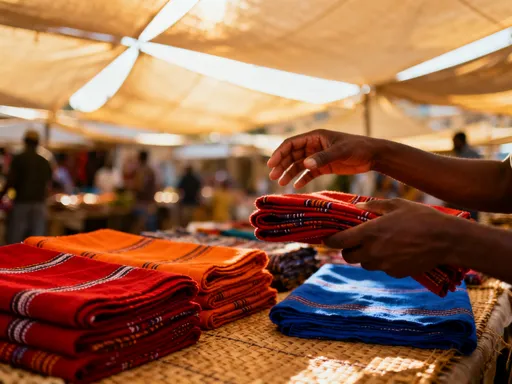
For travelers seeking a structured way to explore Ho Chi Minh City’s food scene, markets and guided food tours offer an ideal entry point. Ben Thanh Market, though tourist-heavy, still holds culinary gems—from fresh spring rolls wrapped in rice paper to grilled scallops served on a stick. The real magic lies in the early morning hours, when the market comes alive with vendors arranging pyramids of tropical fruit, baskets of live eels, and trays of glistening durian. The air is thick with the scent of lemongrass, fish sauce, and roasted peanuts. This is not just shopping; it’s theater, a sensory overload that tells the story of Vietnam’s agricultural abundance.
Binh Tay Market in Chinatown offers a more local experience. Open before dawn, it’s where restaurants and street vendors come to stock up. Rows of dried seafood, stacks of noodles, and vats of fermented soybeans line the aisles. Travelers can sample sugar cane juice pressed on the spot, or try banh cuon, steamed rice rolls filled with minced pork and mushrooms, served with a fish sauce dip. The lack of English signage can be intimidating, but it also means authenticity. A smile and a pointing finger often suffice to order.
Guided food tours have grown in popularity for good reason. Led by local experts, they provide context, safety, and access to places visitors might otherwise miss. A knowledgeable guide can explain the history of a dish, translate a menu, or introduce you to a vendor who’s been grilling quail for thirty years. Tours also help with portion control—small tastings allow you to sample ten dishes without overeating. Some focus on street food, others on market visits or cooking classes. While self-guided exploration has its rewards, a tour offers confidence, especially for first-time visitors. It’s a balance: the freedom to wander, paired with the wisdom of a local.
How to Eat Like You Live Here: Local Etiquette Uncovered
To truly connect with Ho Chi Minh City’s food culture, it’s not enough to eat the right dishes—you must also eat them the right way. Vietnamese dining etiquette is relaxed but carries unspoken rules that, when followed, open doors to warmth and welcome. Slurping noodles, for example, is not rude—it’s a sign you’re enjoying your meal. Sharing tables is common, especially at busy stalls. If a stranger sits across from you, it’s not an intrusion; it’s normal. A simple nod or smile is all the greeting needed.
When ordering, pointing is perfectly acceptable, even expected. Many vendors don’t speak English, and menus may be in Vietnamese only. A friendly gesture toward the dish you want is often the fastest way to communicate. Tipping is not customary at street stalls, but it’s appreciated in sit-down restaurants. A small extra note left on the table won’t go unnoticed. The word “ngon”—meaning delicious—is a magic key. Say it with a smile after a meal, and you’ll likely be greeted with laughter and an extra portion on the house.
Perhaps the most important rule is to slow down. Don’t rush through a meal to check it off a list. Sit, observe, and let the city unfold around you. Watch how locals eat, how they interact, how they savor their coffee. Mirror their pace. Order one dish at a time. Ask for recommendations. These small acts of respect build trust and deepen the experience. Eating like a local isn’t about perfection—it’s about presence. It’s about being open, curious, and willing to step into the flow of daily life.
Ho Chi Minh City feeds more than hunger—it satisfies curiosity, adventure, and the human need for connection. Every bite tells a story of resilience, fusion, and passion. Travelers who come for the sights leave transformed by the flavors. The real Vietnam isn’t in a guidebook; it’s on a plate, served hot, right on the sidewalk.