You Won’t Believe These Hidden Natural Gems in Daegu
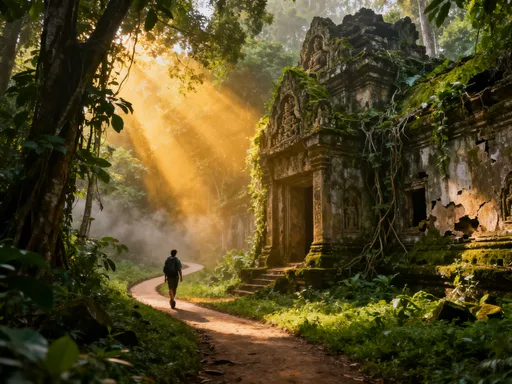
Who knew Daegu was more than just a city? Nestled in the heart of South Korea, it’s surrounded by lush mountains, winding rivers, and serene valleys most tourists completely overlook. I went looking for peace—and found breathtaking landscapes that felt worlds away from urban chaos. From misty morning hikes to quiet temple trails, Daegu’s natural beauty is real, raw, and totally underrated. This isn’t just a destination; it’s a feeling. Let me show you why nature here hits different.
Reimagining Daegu: Beyond the Urban Facade
Daegu is often described as South Korea’s fourth-largest city, a bustling urban center known for its textile industry, summer heat, and vibrant street food culture. To many, it represents industrial energy and city life, overshadowed by Seoul, Busan, and Jeju in the travel spotlight. But beneath this metropolitan image lies a quieter, greener truth. Daegu is uniquely framed by mountain ranges, cradled between the Palgongsan peaks to the east and the Bidulgi ridgeline to the west, creating a natural amphitheater that few realize exists just minutes from downtown.
What sets Daegu apart from other Korean cities is this striking contrast—urban intensity meets untouched wilderness. While cities like Incheon or Daejeon have expanded into flatlands, Daegu’s topography has preserved vast green zones that remain easily accessible. Over 60% of Daegu’s total area consists of forested hills, agricultural land, and protected parkland. This means that within half an hour of leaving the subway station, you can be standing at a trailhead where the only sounds are rustling leaves and distant bird calls. For residents and visitors alike, this proximity to nature offers a rare balance.
The city’s geographical advantage isn’t just scenic—it’s functional. These surrounding mountains act as natural air filters, tempering the summer heat and offering cooler retreats during peak months. Trails are well-maintained, signage is clear in both Korean and English, and public transportation connects directly to key access points. Unlike remote national parks that require long drives or shuttle buses, Daegu’s natural escapes are integrated into daily life. This seamless blend of city and wilderness makes Daegu not just a place to visit, but a model for sustainable urban-natural coexistence.
Palgongsan: The Crown Jewel of Daegu’s Wilderness
Rising prominently to the east of the city, Palgongsan Provincial Park stands as the most celebrated natural landmark in Daegu. Designated as a provincial park in 1976, it spans over 120 square kilometers and offers a network of trails that cater to hikers of all levels. The mountain is more than just a scenic backdrop—it’s a living part of the city’s cultural and spiritual identity, home to ancient temples, seasonal festivals, and some of the most rewarding views in southeastern Korea.
One of the most popular routes leads to Donghwasa Temple, a serene Buddhist monastery nestled halfway up the mountain. The trail begins at Donghwasa Station on Daegu Metro Line 2, making it exceptionally accessible. As you ascend through pine-scented paths, the sound of temple bells drifts through the valley, creating a meditative atmosphere. The temple itself, rebuilt after wartime destruction, features striking wooden halls and a massive seated Buddha statue that gazes peacefully over the city below. Visitors often pause here not just for photos, but for quiet reflection.
For those seeking a greater challenge, the trail to Cheonhwangbong Peak—the highest point on Palgongsan at 1,192 meters—offers a rigorous but rewarding climb. The path winds through rocky outcrops and dense forest, with occasional clearings that provide panoramic views of Daegu’s skyline and the Nakdong River winding through the valley. On clear days, you can see as far as Gyeongju to the southeast. This route takes approximately three to four hours round-trip and is best attempted in the early morning to avoid afternoon heat and crowds.
Palgongsan is also a seasonal spectacle. In spring, cherry blossoms line the lower trails, particularly near Yongho Bridge, where soft pink blooms arch over the walkways. By late April, azaleas burst into color along the mid-level paths. Autumn transforms the mountain into a tapestry of red, gold, and orange, with peak foliage typically occurring in late November. Even in winter, when frost dusts the pine branches and the city lights twinkle below, Palgongsan retains its quiet majesty. Whether you're drawn by physical challenge, spiritual calm, or visual beauty, Palgongsan delivers an experience that feels both grand and intimate.
Siji Country Park: Where Nature Meets Leisure
Just a short bus ride from downtown, Siji Country Park offers a different kind of natural escape—one that blends thoughtful design with wild beauty. Unlike rugged mountain trails, this 1.8-square-kilometer park is curated for relaxation, making it ideal for families, older visitors, or anyone looking for a gentle day in nature without sacrificing authenticity. Opened in 2002, the park was designed to preserve existing woodlands while adding accessible amenities, resulting in a space that feels both welcoming and unspoiled.
Wide, paved pathways wind through open meadows, past man-made lakes where ducks glide silently across the water, and into shaded forest zones where oak and maple trees provide cool cover. Wildflower fields bloom in sequence throughout the year—tulips in spring, cosmos in late summer, and asters in autumn—creating a living calendar of color. Benches are thoughtfully placed under trees, and picnic areas with tables and grills encourage slow, unhurried gatherings. Despite its popularity, the park manages to maintain pockets of solitude, especially along the northern trails where the canopy thickens and the sounds of the city fade.
One of the park’s quiet strengths is its seasonal programming. While it hosts events like the spring tulip festival or autumn leaf-viewing days, these are designed to enhance—not overwhelm—the natural experience. Unlike commercialized flower parks elsewhere in Korea, Siji avoids overcrowding by limiting entry during peak times and spreading activities across different zones. This allows visitors to enjoy the beauty without feeling lost in a crowd. Birdwatchers appreciate the variety of species that nest in the reed beds along the lakes, including kingfishers and grey herons, while children love the small playground and open fields for running and kite-flying.
Accessibility is a key feature. The park has multiple entrances, all connected by public buses, and includes ramps, restrooms, and drinking fountains to accommodate all visitors. Yet, despite these modern comforts, Siji Country Park never feels artificial. It respects the land it occupies, allowing nature to guide the design rather than dominate it. For those who want to experience Daegu’s green side without a strenuous hike, Siji offers a perfect balance of ease and authenticity.
The Riverfront Escape: Daegu’s Nakdong River Greenway
The Nakdong River, Korea’s longest, flows along the western edge of Daegu, forming a natural boundary between the city and the surrounding countryside. But rather than treating the river as a barrier, Daegu has transformed its banks into one of the most extensive greenway systems in the country. The Nakdong River Greenway stretches for over 30 kilometers within the city limits, offering uninterrupted paths for walking, jogging, and cycling, all within easy reach of residential neighborhoods.
This riverside network is more than just a recreational space—it’s a vital ecological corridor. Native plants line the banks, helping to stabilize the soil and support local wildlife. Along quiet stretches, you might spot kingfishers diving for fish, herons stalking the shallows, or even otters in the early morning hours. The city has installed observation decks and informational signs to promote environmental awareness, making the greenway not just a place to exercise, but to learn and connect with nature.
Duryu Park and Seocheon Riverside Park serve as two of the most popular access points. Duryu, located near a major shopping district, features wide promenades, open lawns, and a suspension bridge that offers sweeping views of the river. It’s especially beautiful at sunset, when the sky turns golden and cyclists glide past in silhouette. Seocheon, quieter and more secluded, is favored by locals for morning tai chi, dog walking, and quiet contemplation by the water. Both parks are well-lit and patrolled, making them safe for evening strolls.
The greenway is also a hub for community activity. On weekends, families gather for picnics, couples ride tandem bikes, and fitness groups organize group jogs. Yet even during busy times, the sheer length of the path ensures you can always find a quieter stretch. Bike rentals are available at several stations, and the route is clearly marked with distance indicators and directional signs. Whether you’re looking for a 5-kilometer warm-up or a full-day cycling adventure, the Nakdong River Greenway offers a refreshing alternative to indoor gyms or crowded malls.
Bidulgi Ridge Trail: A Secret Among Locals
While Palgongsan draws the crowds, the Bidulgi Ridge Trail remains a cherished secret among Daegu’s hiking community. Located on the western side of the city, this lesser-known trail follows a narrow mountain spine that connects several historic temples and offers some of the most dramatic cliffside views in the region. Though not as high as Palgongsan, Bidulgi’s rugged terrain and relative seclusion make it a favorite for those seeking solitude and a deeper connection with nature.
The trail is part of a larger network known as the Daegu Mountain Trail System, which links over 50 kilometers of paths across the city’s surrounding hills. Bidulgi itself spans about 8 kilometers from end to end, with multiple access points by bus or car. The most common starting point is from Bonghwasan Station, from which a moderate climb leads into a shaded forest of oak and pine. Stone markers and wooden signposts guide the way, but the trail is less crowded and less commercialized than others, preserving a sense of discovery.
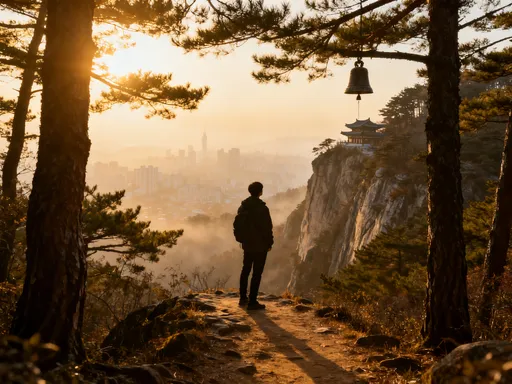
What makes Bidulgi special is its changing character. One moment you’re walking through a quiet forest, the next you emerge onto a rocky outcrop with a sudden, breathtaking view of the city and river below. The trail passes near small temples like Geumjungsa and Singyesa, where the scent of incense lingers in the air and monks move quietly between buildings. These spiritual touches add depth to the hike, turning it into more than just a physical journey.
Because the trail is less frequented, hikers should come prepared. While the path is well-marked, mobile signals can be spotty, so downloading a map in advance is advisable. Sturdy footwear is recommended, especially after rain, as some sections become slippery. The best times to visit are early morning or on weekdays, when the chances of having the trail to yourself are highest. For those who value peace and authenticity over convenience, Bidulgi offers a rare glimpse into Daegu’s wilder soul.
Seasonal Magic: When Daegu’s Nature Comes Alive
One of the greatest joys of exploring Daegu’s natural spaces is witnessing how they transform with the seasons. Unlike cities with uniform landscapes, Daegu’s varied terrain—mountains, rivers, forests, and parks—responds vividly to the changing year, offering a different experience with each visit.
In spring, the city awakens in color. Cherry blossoms bloom along Yongho Bridge and in the lower valleys of Palgongsan, drawing visitors for quiet walks under pink canopies. Azaleas and forsythia add splashes of yellow and red to the hillsides, while wild garlic sprouts in the forest, filling the air with a faint, earthy scent. This is an ideal time for photography, with soft light and fresh greenery creating a dreamlike atmosphere.
Summer brings heat to the city, but the mountains remain cool and inviting. Hiking in Palgongsan or Bidulgi during July and August means walking under a dense green canopy, where the temperature can be 5–7 degrees Celsius cooler than downtown. Early morning hikes are especially refreshing, with mist rising from the valleys and birdsong filling the air. Siji Country Park’s shaded paths and lakes offer a pleasant alternative for those who prefer a gentler outing.
Autumn is arguably Daegu’s most spectacular season. From late October to mid-November, the mountains blaze with color. Maple, ginkgo, and zelkova trees turn fiery red, golden yellow, and deep orange, particularly on the higher slopes of Palgongsan. The Nakdong River banks also catch the seasonal glow, with reflections of fall foliage shimmering in the water. This is the busiest time for hikers, so visiting on weekdays or arriving early can help avoid crowds.
Winter, though quieter, holds its own quiet beauty. Light snow occasionally dusts the temples and trails, creating serene, almost monochrome landscapes. Frost coats the pine needles, and the air feels crisp and clean. While some trails may be icy, they are rarely closed, and the sense of solitude is unmatched. For those who appreciate stillness and reflection, winter in Daegu’s nature is a gift.
How to Experience Daegu’s Nature Like a Local
To truly appreciate Daegu’s natural offerings, it helps to adopt the rhythm of local life. Residents don’t treat nature as a weekend spectacle, but as a regular part of well-being. They visit the same trails repeatedly, noticing small changes—a new bird’s nest, a blooming shrub, a fallen tree now covered in moss. This slow, mindful approach enhances the experience far more than a rushed itinerary ever could.
Start by using public transportation. Daegu’s subway and bus system connects directly to trailheads like Donghwasa and Bonghwasan, making it easy to leave the car behind. Pack light—bring water, a small snack, and a reusable bag for trash. Many locals carry traditional Korean rice cakes or dried persimmons for energy, and sharing a simple meal on a bench or rock adds to the sense of connection.
Respect for nature and culture is essential. When visiting temples, dress modestly, speak quietly, and avoid touching religious objects. Dispose of waste properly—littering is rare in Korea, and maintaining cleanliness is a point of pride. If you’re hiking, stay on marked paths to protect plant life and prevent erosion.
Timing matters. Weekends, especially during peak seasons, can bring crowds. For peace, aim for weekday mornings or late afternoons. Combine your hike with a cultural stop—visit Donghwasa Temple after climbing Palgongsan, or enjoy a bowl of traditional noodle soup at a nearby market. Let your journey unfold slowly. Spend half a day, not just an hour. Sit by the river. Breathe. Watch the light change. These moments of stillness are where the real magic happens.
Daegu’s natural landscapes aren’t just background scenery—they’re essential to understanding the city’s soul. These mountains, rivers, and trails offer not only beauty but balance, a chance to reconnect with nature without leaving urban reach. Whether you're chasing sunrise over the ridge or a quiet moment by the river, Daegu proves that the most memorable journeys are often the ones you never expected. The wild is closer than you think.