You Won’t Believe What Aarhus Serves for Dinner
Aarhus, Denmark, isn’t just Scandinavia’s best-kept secret—it’s a cultural feast hiding in plain sight. I never expected a city this vibrant to serve up traditions so rich, especially on the plate. From centuries-old recipes to bold new Nordic flavors, dining here is storytelling. Every bite feels intentional, every meal a window into Danish soul. This is more than food; it’s culture, alive and simmering. In Aarhus, meals are not rushed affairs but moments of presence, where fresh ingredients, family rituals, and regional pride converge. To eat here is to understand a way of life rooted in balance, seasonality, and quiet celebration.
Why Aarhus? The Cultural Heart of Denmark
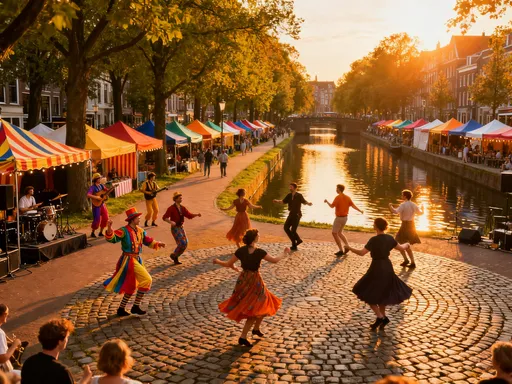
Aarhus stands as Denmark’s second-largest city and one of its most dynamic cultural centers. Nestled along the eastern coast of the Jutland peninsula, it blends urban energy with natural serenity. Unlike larger European capitals that can feel overwhelming, Aarhus offers an accessible, human-scale experience where art, history, and daily life flow together seamlessly. In 2017, it earned the prestigious title of European Capital of Culture, a recognition that spotlighted its thriving creative scene—from contemporary art galleries to open-air music festivals like the annual Aarhus Festival, which transforms the city into a stage for performance, food, and community connection.
What sets Aarhus apart is how deeply culture is woven into everyday routines. Museums like Den Gamle By (The Old Town) and ARoS Aarhus Art Museum do more than display artifacts—they invite participation, encouraging visitors to touch, taste, and engage. This interactive spirit extends to the city’s culinary identity. Dining in Aarhus is not merely about sustenance; it is an extension of cultural expression. The city’s location plays a pivotal role: bordered by the clear waters of the Kattegat Sea and surrounded by fertile farmland, Aarhus enjoys unparalleled access to fresh seafood, dairy, and seasonal produce. These natural resources form the foundation of its cuisine, shaping a food culture that honors both land and sea.
Moreover, Aarhus’s academic presence, anchored by Aarhus University, fosters innovation and curiosity. This intellectual energy spills into the food scene, where chefs, farmers, and food entrepreneurs collaborate to preserve tradition while embracing new ideas. The result is a city where old customs are not preserved behind glass but are lived, adapted, and celebrated at dining tables across neighborhoods like Latin Quarter, Frederiksbjerg, and Trøjborg. Whether enjoying a simple rye sandwich at a corner café or savoring a multi-course tasting menu, residents and visitors alike participate in a living cultural narrative.
The Soul of Danish Culture on a Plate
Danish cuisine, often misunderstood as plain or austere, reveals its depth when approached with attention and context. At its core, it reflects values long cherished in Danish society: simplicity, mindfulness, and togetherness. These principles come alive most clearly at the dinner table. In Aarhus, meals are not afterthoughts but anchors of the day—a time to slow down, connect, and appreciate what is in front of you. This philosophy aligns closely with *hygge*, the Danish concept of cozy contentment, which emphasizes warmth, presence, and shared experience.
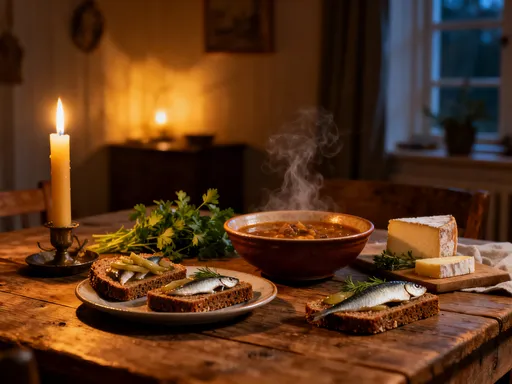
Traditional dishes like *smørrebrød*—open-faced sandwiches piled high with toppings—are more than just food; they are edible expressions of Danish identity. A classic *smørrebrød* might feature pickled herring with red onion and dill, or roast beef with remoulade and crispy fried onions, all served on dense, dark rye bread. Each element is carefully chosen, not for extravagance, but for balance and flavor. The rye bread itself, often baked daily in local artisanal bakeries, is a staple that connects modern Aarhus to centuries of Nordic baking tradition. Its earthy, slightly sour taste reflects the region’s grain-growing heritage and the Danish preference for hearty, nourishing foods.
Meals in Aarhus are often communal, especially in family settings. Sunday dinners might include *flæskesteg*, a roasted pork dish with crackling skin, served with boiled potatoes and red cabbage. These gatherings are not about spectacle but about continuity—passing down recipes, sharing stories, and reinforcing bonds. Even in restaurants, the atmosphere tends to be unpretentious. Servers speak softly, tables are spaced for conversation, and pacing is relaxed. There is no rush to clear plates or close seats. Instead, diners are encouraged to linger, savor, and enjoy the moment. This approach to eating is not just a habit; it is a reflection of a broader cultural commitment to well-being and balance.
Where Old Meets New: Heritage Meets Innovation
While tradition runs deep in Aarhus, the city’s food scene is far from static. It thrives on a delicate balance between honoring the past and exploring the future. This duality is evident in restaurants that reinterpret classic Danish dishes with modern techniques, focusing on precision, presentation, and ingredient integrity. Chefs in Aarhus are not interested in reinventing Danish cuisine so much as refining it—elevating familiar flavors through careful sourcing, thoughtful preparation, and artistic plating.
One notable example is the growing number of eateries that offer contemporary versions of *smørrebrød*, presenting them as精致 (refined) small plates rather than casual lunches. Here, a single sandwich becomes a composed dish, with house-cured fish, pickled vegetables, and hand-churned butter arranged like a painting. The essence remains Danish, but the execution reflects global culinary trends and aesthetic sensibilities. This evolution is not seen as a departure from tradition but as a natural progression—one that keeps the cuisine relevant for new generations.
The Aarhus Street Food market exemplifies this fusion of old and new. Housed in a converted industrial space near the harbor, it brings together over 30 vendors offering everything from traditional meatballs (*frikadeller*) to Korean-Danish fusion tacos. What makes this market special is not just the variety but the authenticity behind each stall. Many vendors are local entrepreneurs who grew up eating Danish home cooking and now blend those memories with global influences. A chef might pair smoked mackerel with wasabi mayo, or serve rye bread waffles with cloudberries and whipped cream. These combinations surprise the palate without losing respect for the ingredients or their origins.
This openness to innovation is supported by a broader cultural attitude in Aarhus—one that values curiosity, collaboration, and sustainability. Culinary schools, food labs, and community kitchens provide spaces for experimentation, where chefs and home cooks alike can test new ideas. At the same time, there is a strong emphasis on using what is local and seasonal. This ensures that even the most creative dishes remain grounded in the region’s agricultural and maritime rhythms. The result is a food culture that feels both rooted and forward-looking—a place where heritage is not preserved in amber but lived with purpose and pride.
Specialty Dining Experiences You Can’t Miss
In Aarhus, dining is increasingly viewed as an experience, not just a meal. This shift has given rise to a range of specialty formats that transform eating into something closer to performance, ritual, or storytelling. Among the most memorable are chef’s table events, where guests sit just steps from the kitchen, watching as dishes are prepared in real time. These intimate settings allow for direct interaction with chefs, who often explain the inspiration behind each course, share sourcing details, or recount family food memories. The atmosphere is warm and conversational, blurring the line between diner and participant.
Seasonal tasting menus are another hallmark of Aarhus’s elevated dining scene. At select restaurants, multi-course meals are designed around what is freshest and most abundant at any given time of year. A spring menu might feature wild garlic, young asparagus, and early lamb, while autumn offerings highlight game, mushrooms, and root vegetables. These menus are not static; they change weekly, sometimes daily, based on what arrives from local farms and fisheries. Each dish tells a story of place and season, inviting diners to tune into the natural calendar in a way that feels both luxurious and grounding.
Pop-up dinners add another layer of excitement to the city’s culinary landscape. Organized in unexpected locations—abandoned warehouses, botanical gardens, or even private homes—these events combine food with art, music, and themed decor. One evening might pair Nordic seafood with live cello performances, while another explores foraged ingredients through interactive storytelling. What unites these experiences is a sense of occasion. Guests don’t just eat; they witness, listen, and remember. These dinners often sell out quickly, underscoring the growing appetite for meaningful, immersive food events.
What makes these specialty experiences truly special is their accessibility. While some are upscale, many are designed to be inclusive, with pricing that reflects community values rather than exclusivity. Reservations may be required, but the tone remains welcoming. There is no dress code, no pretension—just a shared commitment to quality, connection, and the joy of discovery. For visitors, participating in one of these dinners is not just a highlight of a trip; it is a way to feel, however briefly, like part of the local fabric.
Behind the Scenes: How Local Producers Shape the Menu
The excellence of Aarhus’s food scene cannot be understood without looking beyond the restaurant walls—to the farms, dairies, fisheries, and forests that supply its ingredients. The city’s proximity to rich agricultural land and clean coastal waters means that freshness is not a luxury but a given. Many restaurants operate on a true farm-to-table model, building direct relationships with producers to ensure traceability, quality, and sustainability. This is not a marketing gimmick; it is a way of life deeply embedded in Danish food culture.
Just outside the city, organic farms grow vegetables like carrots, kale, and potatoes using regenerative practices that protect soil health and biodiversity. These vegetables often appear on menus within 24 hours of harvest, their flavor intensified by the cool Nordic climate and long summer daylight. Dairy is another cornerstone of the regional diet. Small-scale dairies produce butter, cheese, and cultured milk products with care and tradition. A slice of aged Danish blue cheese or a dollop of fresh cloudberry cream is not just delicious—it is the result of generations of knowledge and craftsmanship.
On the coast, sustainable fishing practices ensure that species like cod, herring, and mackerel remain abundant. Fishermen often sell directly to restaurants or through local cooperatives, minimizing waste and preserving freshness. Some chefs even accompany fishing boats on early-morning trips to select the day’s catch. This level of involvement reflects a deep respect for the source of food—a value that resonates with diners who increasingly care about where their meals come from.
Foraging has also gained renewed appreciation in Aarhus, with chefs and amateur gatherers alike harvesting wild herbs, berries, and mushrooms from nearby forests and meadows. Common finds include wood sorrel, elderflowers, and chanterelles, which add unique flavors to both traditional and modern dishes. This practice connects contemporary cuisine to ancient Nordic foodways, reinforcing a sense of continuity and respect for nature. By highlighting these producers—often by name—restaurants in Aarhus elevate their role from suppliers to collaborators, ensuring that the people behind the food receive recognition and support.
Practical Tips for a Culturally Rich Dining Journey
For travelers seeking authentic food experiences in Aarhus, a few thoughtful choices can make all the difference. The best time to visit is during late spring through early autumn, when outdoor markets, harbor festivals, and seasonal pop-ups are in full swing. The Aarhus Food Festival, typically held in September, offers a curated taste of the city’s best producers, chefs, and innovations. Even outside of festivals, the Aarhus Street Food market remains a reliable destination for diverse, high-quality options in a relaxed setting.
Neighborhoods like the Latin Quarter and Frederiksbjerg are home to many beloved local eateries, where menus change with the seasons and regulars are greeted by name. These areas tend to attract fewer tourists, offering a more genuine glimpse into everyday dining life. When choosing a restaurant, look for places that list their suppliers on the menu or describe ingredients with specificity—phrases like “locally caught cod” or “rye bread from a family bakery in Randers” are strong indicators of authenticity. Avoid restaurants with generic, multilingual menus displayed outside; these are often geared toward convenience rather than quality.
Dining etiquette in Aarhus is simple and informal. Tipping is not expected, as service is included in the bill, though leaving a small extra amount for exceptional service is appreciated. Reservations are recommended for popular spots, especially on weekends, and can usually be made online or by phone. Many restaurants close early by international standards—often by 9:30 or 10 p.m.—so planning evening meals in advance is wise.
Exploring Aarhus’s food districts on foot or by bicycle is both safe and enjoyable. The city is compact, well-lit, and pedestrian-friendly, with clear signage and reliable public transport. Walking between a museum visit and a lunch spot, or biking along the harbor to a waterfront café, enhances the sense of immersion. For families or older travelers, buses and trams provide convenient access to all major areas. Carrying a reusable water bottle is practical, as tap water in Denmark is among the cleanest in the world and freely available.
Why This Matters: Food as Cultural Preservation
Dining in Aarhus is about more than taste—it is an act of cultural preservation. Every meal that features rye bread, pickled herring, or locally sourced vegetables supports traditions that might otherwise fade in a globalized world. By choosing to eat locally, visitors contribute to a system that values sustainability, community, and craftsmanship. This is respectful tourism at its best: not just observing culture from a distance, but participating in it meaningfully.
The food culture of Aarhus also reflects a broader commitment to environmental stewardship. Short supply chains reduce carbon emissions, while seasonal eating aligns human consumption with natural cycles. Organic farming, responsible fishing, and minimal food waste are not trends here but long-standing practices reinforced by policy and public awareness. When diners choose a restaurant that highlights these values, they vote for a future where food is both delicious and responsible.
Perhaps most importantly, meals in Aarhus foster connection. They bring people together across generations, backgrounds, and languages. In a world that often feels fragmented, the simple act of sharing food—slowly, mindfully, with gratitude—becomes a quiet form of resistance. It says that some things are worth preserving: the taste of fresh bread, the sound of laughter around a table, the knowledge that we are part of something larger than ourselves.
To visit Aarhus and eat like a local is to leave with more than a full stomach. It is to carry home a deeper understanding of what it means to live well—with simplicity, care, and joy. So when you sit down to dinner here, take your time. Taste each bite. Ask about the ingredients. Listen to the stories. Let the meal unfold as it should: not as a transaction, but as a conversation. In doing so, you don’t just experience Danish culture—you become part of it, if only for one evening.