What Nobody Tells You About Cali’s Hidden Neighborhood Vibes
Cali, Colombia, is more than salsa and sunshine—it’s a city of layered identities. I didn’t get it at first. I came for the rhythm, stayed for the stories. Each neighborhood pulses with its own soul: from art-splashed alleys to market-packed streets where abuelas fry empanadas like it’s sacred work. This isn’t just tourism; it’s immersion. Let me take you through the real Cali, one authentic zone at a time. Beyond the postcard images and dance-floor highlights lies a deeper truth about this vibrant Andean city—it reveals itself slowly, neighborhood by neighborhood, to those who wander with intention. What follows is not a checklist, but a journey through the living texture of urban life, where culture, music, faith, and nature shape distinct worlds within one sprawling metropolis.
Why Cali? Beyond the Tourist Brochure
Cali is often introduced as Colombia’s salsa capital, a title it wears proudly. Travel brochures spotlight dancers spinning under neon lights, feet moving faster than the eye can follow. While this image holds truth, it captures only a fraction of what the city offers. Cali is not a single story. It is a mosaic of neighborhoods, each shaped by history, class, migration, and local pride. To experience Cali fully, one must move beyond the curated showpieces and embrace a more thoughtful approach: exploring by theme rather than checklist.
Theme-based travel allows visitors to engage with the city on a deeper level. Instead of rushing from monument to museum, travelers can focus on what resonates—art, music, nature, or spirituality—and follow that thread through multiple neighborhoods. This method fosters connection, encourages slower pacing, and rewards curiosity. It transforms sightseeing into storytelling, where each stop adds context to the last. For the thoughtful traveler, especially those who value authenticity and meaningful experiences, this approach unlocks a Cali few outsiders ever truly see.
Moreover, Cali’s size and layout make it ideal for thematic exploration. Unlike compact colonial towns, Cali sprawls across a wide valley, with distinct districts separated by hills, rivers, and urban corridors. Each area has developed its own rhythm, shaped by geography and generations of residents. By organizing a visit around themes—such as creativity in San Antonio, faith at Cerro de Cristo Rey, or musical roots in Juanchito—travelers gain not just variety, but coherence. They begin to understand how these threads weave together into the larger fabric of the city.
San Antonio: Where Bohemia Meets Tradition
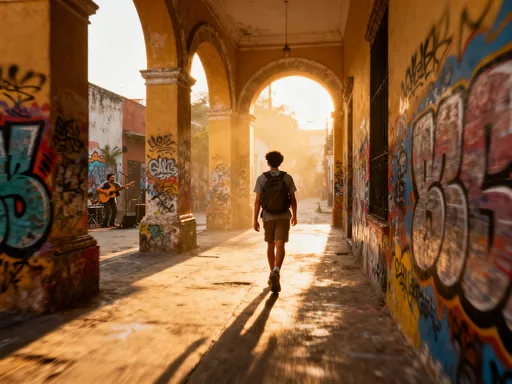
Nestled along the western hills of Cali, San Antonio offers a quiet contrast to the city’s usual tempo. This historic neighborhood, perched above the urban rush, feels like a village within a metropolis. Its narrow, winding streets are lined with colonial-style homes painted in soft ochres, deep blues, and faded reds. Bougainvillea spills over wrought-iron balconies, and trees arch overhead, creating dappled light on the cobblestones below. Here, time slows, and the air carries the scent of coffee and blooming jasmine.
San Antonio has long been a haven for artists, writers, and intellectuals. Its creative energy is visible in the small galleries tucked into converted houses, where local painters display works inspired by everyday life in Cali. Independent bookshops host poetry readings, and quiet cafés serve hand-poured coffee to patrons sketching in notebooks or reading in silence. This is not a manufactured arts district—it evolved organically, sustained by generations of residents who value beauty, reflection, and craftsmanship.
Yet tradition remains deeply rooted. Families have lived here for decades, passing down recipes, stories, and customs. On weekends, elderly women can be seen arranging flower displays in church courtyards, while children play fútbol in the central plaza. The neighborhood church, with its bell tower rising above the treetops, still holds regular services attended by longtime locals. Visitors are welcome, but not central—this is a community that lives for itself, not for spectacle.
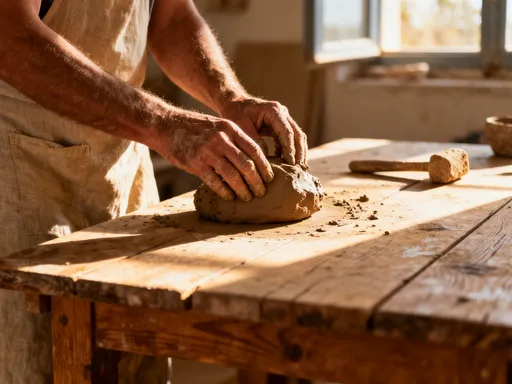
For travelers seeking a blend of culture and calm, San Antonio is ideal. It offers the richness of urban life without the sensory overload. A morning walk through its streets might lead to a conversation with a potter selling handmade ceramics, or a spontaneous invitation to sample arepas from a street vendor who’s been serving the same corner for thirty years. There are no major tourist attractions here, no crowds or guided tours—just the quiet hum of a neighborhood that has preserved its soul.
La Ermita and El Centro: The Pulse of Urban Life
If San Antonio is Cali’s contemplative side, then La Ermita and El Centro represent its beating heart. This central corridor, anchored by the striking white façade of La Ermita church, pulses with relentless energy. By day, the area thrives with commerce—vendors selling everything from phone chargers to hand-sewn bags, while commuters weave through narrow sidewalks carrying briefcases, groceries, or toddlers. The scent of frying plantains mingles with diesel fumes, and the sound of honking horns blends with street musicians playing accordions or marimbas.
La Ermita church, officially known as the Church of Our Lady of Mount Carmel, stands as a symbol of resilience. Damaged by an earthquake in the 1950s and later restored, its modernist design contrasts with traditional colonial architecture found elsewhere in Colombia. Locals gather here not only for Mass but for quiet reflection, especially in the early mornings when the pews are filled with elderly parishioners lighting candles. The surrounding plaza becomes a social hub—students meet before class, couples share empanadas on benches, and street preachers deliver sermons to small, attentive audiences.
Just steps away, downtown Cali unfolds in all its complexity. The streets are lined with aging but dignified buildings, some dating back to the early 20th century. Inside, small businesses operate—tailors altering suits, accountants reviewing paperwork, pharmacies dispensing both medicine and advice. Markets overflow with produce: pyramids of mangoes, baskets of yuca, and bundles of fresh cilantro tied with twine. These are not tourist markets; they serve the daily needs of the city’s residents.
Walking through El Centro requires presence and respect. It is not a place designed for leisurely strolls, but for living. Pickpocketing can occur in crowded areas, so awareness is essential. Yet for those who move with care and courtesy, the rewards are profound. A smile exchanged with a vendor, a polite request for directions, or a moment spent watching a shoeshiner work with practiced hands—all of these small interactions build a deeper understanding of Cali’s urban rhythm. This is where the city’s social and economic layers are most visible, where survival and dignity coexist on every corner.
Juanchito: The Soul of Salsa, Raw and Real
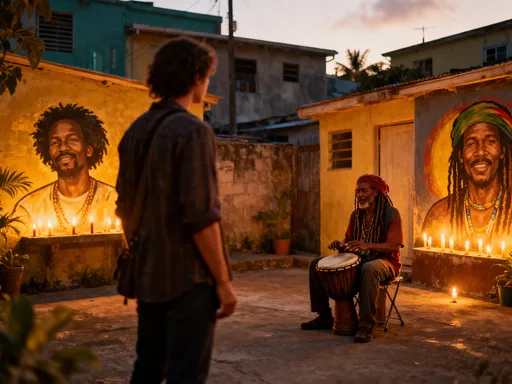
No neighborhood embodies Cali’s musical identity more than Juanchito. Located in the southern part of the city, this working-class community is widely regarded as the birthplace of Cali’s unique salsa style—fast, precise, and deeply ingrained in daily life. Here, music is not entertainment; it is language, ritual, and inheritance. From open-air patios to dimly lit corner clubs, the beat of the clave echoes through the streets, especially on weekends when families gather to dance after church or dinner.
Juanchito’s salsa culture emerged in the mid-20th century, shaped by migration, radio broadcasts, and the rise of local orchestras. Unlike salsa in other cities, which may be performed for tourists or in formal venues, Cali’s version is lived. Children learn steps before they can read. Teenagers practice choreography in schoolyards. Elders keep time with their hands while sitting on doorsteps. Dance academies dot the neighborhood, some run by former champions who train the next generation with strict discipline and deep pride.
To experience Juanchito authentically, timing is key. Visit on a Friday or Saturday night, when local clubs open their doors to the community. These are not polished tourist shows—they are raw, energetic gatherings where dancers compete, couples improvise, and the music rarely stops before dawn. The atmosphere is electric, but also intimate. Strangers are welcomed, but expected to observe first, participate only when invited. Respect is shown not just through silence, but through attention—watching, learning, and appreciating without intrusion.
For travelers, the lesson is clear: immersion does not require performance. You do not need to dance to feel the rhythm. Standing at the edge of a crowded patio, feeling the bass vibrate through your chest, watching a couple spin in perfect sync—these moments offer a deeper connection than any staged show ever could. Juanchito teaches that culture is not something to consume, but to witness, honor, and carry with quiet gratitude.
Cerro de Cristo Rey: Nature, Faith, and Perspective
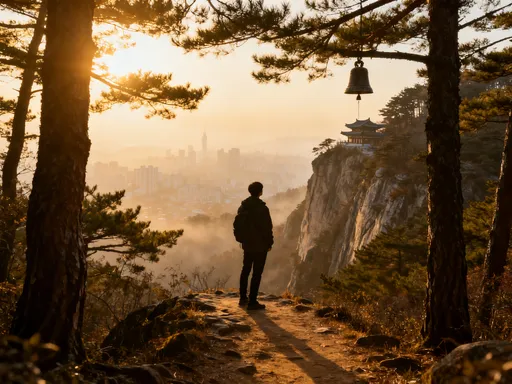
Rising above the eastern edge of Cali, Cerro de Cristo Rey offers a powerful convergence of nature, spirituality, and panoramic beauty. The mountain, crowned by a towering statue of Christ with outstretched arms, has long been a destination for pilgrims, hikers, and families seeking escape from the city below. The climb—whether by foot, bicycle, or shared taxi—is more than physical exertion; it is a journey through layers of meaning.
The trail begins in residential neighborhoods, where homes cling to steep slopes and laundry flutters between buildings. As the path ascends, the city noise fades, replaced by birdsong and the crunch of gravel underfoot. Along the way, small shrines and crosses mark spots where locals have left offerings—flowers, candles, handwritten notes. These are not tourist attractions, but personal acts of devotion, often tied to prayers for healing, safety, or gratitude.
Reaching the summit is transformative. The statue of Christ, erected in the 1950s, stands over 20 meters tall, overlooking the entire valley. On clear days, the view stretches for miles—Cali sprawled below, the Farallones mountains in the distance, and clouds drifting like slow-moving rivers. Families spread out picnic blankets, children fly kites, and couples sit in silence, taking in the vastness. It is a place of reflection, where the scale of nature puts daily worries into perspective.
Visitors should come prepared. The hike can be strenuous, especially in midday heat, so early morning or late afternoon is ideal. Bring water, wear sturdy shoes, and carry a light jacket—temperatures drop at higher elevations. While the site is safe and well-traveled, it is important to move with respect. This is not just a viewpoint; it is sacred ground for many. Photography is welcome, but discretion is key—avoid intruding on private moments of prayer or family gatherings. By honoring the space, travelers gain not just a view, but a sense of connection to something greater.
Farallones National Natural Park: Wild Escape at the City’s Edge
Just a short journey from Cali’s southern limits lies one of Colombia’s most biodiverse regions—Farallones National Natural Park. Spanning over 150,000 hectares, this protected area stretches from tropical dry forests to cloud forests and high-altitude páramo ecosystems. It is home to hundreds of bird species, including the endangered yellow-eared parrot, as well as jaguars, spectacled bears, and countless plant varieties found nowhere else on Earth. For travelers seeking respite from urban intensity, Farallones offers a profound return to nature.
Access to the park is typically through guided tours organized by local cooperatives or eco-lodges. These tours ensure minimal environmental impact while supporting community-based conservation efforts. Options include day hikes to waterfalls like Pico del Águila or El Chorro, birdwatching expeditions in the cloud forest, or overnight treks along well-maintained trails. Guides, often native to nearby villages, share knowledge of medicinal plants, animal behavior, and the cultural significance of the land to indigenous and Afro-Colombian communities.
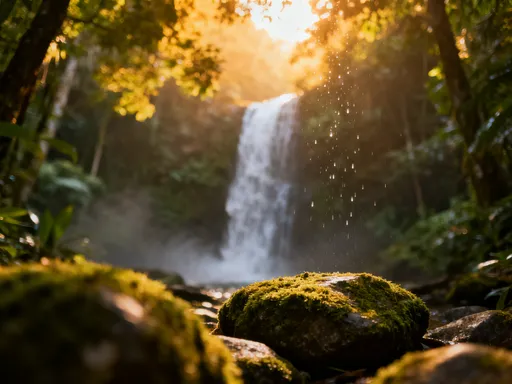
The experience is immersive and grounding. One moment, you might be walking beneath a canopy of orchids and ferns, listening to the call of a trogon; the next, standing at the edge of a cliff, watching condors circle on thermal winds. Streams cascade down moss-covered rocks, and the air carries the clean scent of damp earth and pine. There are no souvenir shops or crowded overlooks—only the quiet rhythm of the wild.
Responsible tourism is essential here. Visitors are asked to follow strict guidelines: stay on marked trails, carry out all waste, avoid loud noises, and refrain from disturbing wildlife. Drones, campfires, and plastic containers are prohibited. These rules are not obstacles, but invitations to travel with care. By doing so, travelers contribute to the preservation of a fragile ecosystem while gaining a rare privilege—to walk through a landscape that remains largely untouched by mass tourism.
Putting It All Together: Traveling Cali by Theme, Not Checklist
Exploring Cali through its distinct neighborhoods reveals a truth often missed by conventional travel: the most meaningful journeys are not measured in sights seen, but in connections made. When we move through a city guided by themes—art in San Antonio, faith at Cerro de Cristo Rey, music in Juanchito, nature in Farallones—we begin to see patterns. We notice how tradition and innovation coexist, how spirituality shapes daily life, and how culture is passed down through dance, food, and ritual.
This method of travel is especially rewarding for those who value depth over speed. It allows for slower pacing, deeper observation, and more authentic interactions. Instead of asking, “What should I see next?” we begin to ask, “What does this place teach me?” The answers come in unexpected moments—a shared laugh with a vendor, a quiet pause at a shrine, the sound of distant drums calling people to dance.
Moreover, thematic exploration encourages smarter, more sustainable travel. By focusing on specific areas, visitors reduce unnecessary transportation, support local economies, and minimize their environmental footprint. Staying longer in fewer places allows for real engagement, whether it’s learning a few dance steps, trying a new recipe from a market vendor, or simply sitting in a plaza and watching life unfold.
Cali does not reveal itself all at once. It unfolds gradually, like a conversation with an old friend. It asks for patience, curiosity, and respect. It rewards those who listen more than they speak, who observe before they act, and who travel not to collect experiences, but to understand them. So when you come to Cali, leave the checklist behind. Let the city guide you—not by landmarks, but by feeling. Follow the music, the scent of food, the path uphill. Let each neighborhood tell its story, and you may find, as so many have, that you leave not just with memories, but with a changed perspective.