You Won’t Believe What Hobart’s Festivals Are Hiding
Hobart doesn’t just host festivals — it explodes with them. From winter lights dancing across frozen harbors to food feasts in hidden courtyards, this city turns every season into a celebration. I’ve never seen creativity burst so vividly in such a compact capital. If you think Australia is only about beaches and barbecues, think again. Hobart’s festival scene is quietly going viral — and for good reason. Nestled between the rugged peaks of Mount Wellington and the serene waters of the Derwent River, this island capital pulses with a cultural energy that belies its size. What makes these festivals so magnetic isn’t just their scale or spectacle — it’s their authenticity, their deep roots in community, and their fearless embrace of the unconventional. This is not tourism as usual. This is a city that celebrates not in spite of its isolation, but because of it.
The Pulse of a Tiny Capital: Why Festivals Define Hobart
Hobart, the capital of Tasmania, is a city of fewer than 250,000 people. Yet, it has emerged as one of Australia’s most dynamic cultural hubs, largely due to its vibrant festival calendar. The reason lies not in population or infrastructure, but in identity. Tasmania has long carried a reputation for being remote, rugged, and self-reliant. These traits have nurtured a creative spirit that values independence, craftsmanship, and connection to place. Festivals in Hobart are not imported concepts or commercial ventures — they are organic expressions of local life, born from a desire to celebrate what makes the island unique.
At the heart of this movement is a deep-seated belief in the power of art to transform public spaces and everyday experiences. Unlike larger cities where culture can feel institutionalized, Hobart’s festivals often take place in repurposed warehouses, hidden alleyways, or along the working waterfront. This integration of art into the fabric of the city fosters a sense of ownership and participation among residents. Families, artists, chefs, and volunteers come together not just to attend events, but to shape them. The result is a festival culture that feels intimate, inclusive, and deeply personal.
One cannot discuss Hobart’s cultural renaissance without acknowledging the influence of MONA — the Museum of Old and New Art. Opened in 2011 by philanthropist and gambler David Walsh, MONA disrupted traditional museum models with its bold, often provocative exhibitions. More importantly, it catalyzed a shift in how art is experienced in the city. Rather than being confined behind glass, art spilled into the streets, inspiring events that were immersive, interactive, and accessible. MONA did not create Hobart’s festival scene — that spirit already existed — but it amplified it, giving local creatives the confidence to dream bigger and bolder.
What sets Hobart apart is the way its festivals reflect the island’s seasons and landscapes. Winter is not a time of hibernation, but of illumination. Summer is not just for relaxation, but for experimentation. Each festival is timed to align with natural rhythms — the shortest day of the year, the New Year harvest, the crisp arrival of spring — making them feel less like scheduled events and more like natural phenomena. This connection to place gives Hobart’s festivals an authenticity that resonates with visitors and locals alike.
Dark Mofo: Where Winter Comes Alive
Each June, as the Southern Hemisphere plunges into winter, Hobart transforms. The air grows sharp, the days shorten, and the city prepares for its most daring celebration: Dark Mofo. Organized by MONA, this winter festival embraces the darkness rather than fleeing from it. It is a celebration of the solstice, of ancient myths, and of the human impulse to gather around fire when the world grows cold. What began as a niche event for art lovers has become a pilgrimage for thousands seeking something beyond the ordinary.
The centerpiece of Dark Mofo is the Winter Feast, a sprawling outdoor gathering held along the waterfront. Long communal tables are set beneath strings of glowing lanterns, where visitors feast on slow-roasted meats, wood-fired bread, and mulled wine. The scent of smoke and spice fills the air, mingling with laughter and live music. But the feast is only one part of the experience. Throughout the city, light installations illuminate dark corners — glowing runes carved into stone, ethereal figures suspended above alleyways, and massive bonfires that crackle against the night sky. These works, often inspired by pagan traditions and pre-Christian rituals, create a sense of mystery and reverence.
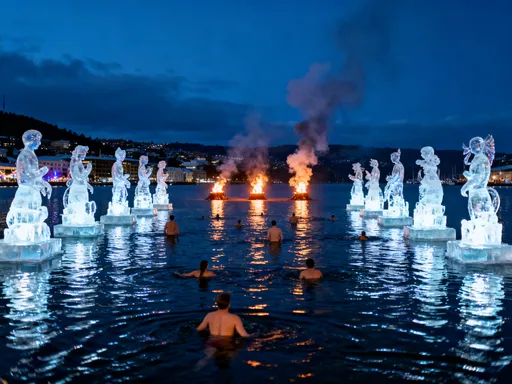
One of the festival’s most talked-about events is the Nude Solstice Swim. At dawn on the winter solstice, hundreds of people strip down and plunge into the icy waters of the Derwent River. While it may seem like a stunt, the act carries symbolic weight — a ritual of renewal, resilience, and unity. Participants describe it as both exhilarating and humbling, a moment of raw connection to nature and community. Safety measures are strictly observed, with medical teams and heated recovery zones on standby, ensuring that the event remains as safe as it is daring.
Dark Mofo is not without controversy. Some installations have sparked debate for their intensity or religious references, but this tension is part of its purpose. The festival challenges comfort zones, asking attendees to confront fear, darkness, and the unknown. Yet it does so within a framework of care and inclusion. Families, older adults, and children participate in adapted events, such as lantern-making workshops or twilight storytelling. The festival’s ability to balance provocation with warmth is a testament to its maturity and community grounding.
MONA FOMA: Summer’s Avant-Garde Explosion
If Dark Mofo is a descent into winter’s depths, MONA FOMA is an ascent into summer’s light. Held each January in various locations across Hobart, this festival is a celebration of experimental music, performance art, and boundary-pushing theatre. The name, a playful acronym for MONA Festival of Music and Art, reflects its spirit — irreverent, inventive, and deeply curious. Unlike traditional music festivals that prioritize big-name acts, MONA FOMA seeks out artists who challenge conventions, whether through sound, movement, or narrative.
Past lineups have included Icelandic composer Jóhann Jóhannsson, avant-garde cellist Zoë Keating, and Australian performance artist Stelarc, known for his explorations of the human body and technology. Performances take place in unexpected venues — a disused power station, a botanical garden at dusk, a converted church with stained glass filtering the sunlight. These settings are not just backdrops; they are integral to the experience, shaping how sound travels, how light falls, and how audiences engage.
One of the most memorable aspects of MONA FOMA is its emphasis on immersion. Attendees don’t just watch — they walk through installations, interact with performers, or become part of the artwork. In one year, visitors were invited to lie on heated mats beneath a canopy of speakers, experiencing a 360-degree sound bath. In another, a silent disco led participants through the streets in synchronized movement, guided by choreographers wearing glowing headpieces. These moments create a sense of wonder and collective presence that lingers long after the festival ends.
MONA FOMA also serves as a bridge between local and international art scenes. While the headliners draw global attention, the festival dedicates significant space to Tasmanian artists, giving them a platform to share their work alongside world-renowned names. This commitment to local talent reinforces the festival’s role as a cultural incubator, not just an entertainment event. For many residents, MONA FOMA is a source of pride — a reminder that innovation and creativity thrive even in remote corners of the world.
Taste of Tasmania: A Culinary Journey by the Waterfront
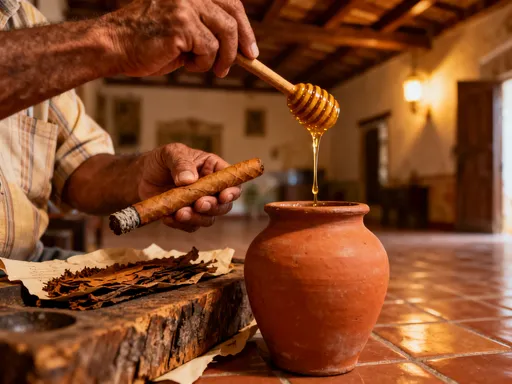
For twelve days every January, Hobart’s waterfront becomes a stage for one of Australia’s most beloved food festivals: Taste of Tasmania. Held in the historic Princes Wharf sheds, this event celebrates the island’s rich agricultural and maritime heritage. Visitors stroll through a maze of stalls, sampling fresh oysters pulled from the cold southern seas, creamy goat cheese from highland farms, and leatherwood honey — a rare, floral nectar found only in Tasmania’s remote forests. The air is thick with the scent of grilled scallops, slow-cooked lamb, and freshly baked sourdough.
What makes Taste of Tasmania special is its focus on provenance. Each vendor tells a story — of a family-run orchard, a third-generation fisherman, or a young winemaker experimenting with cool-climate varietals. Tasmania’s isolation has preserved its ecosystems, allowing for sustainable farming and fishing practices that are increasingly rare elsewhere. Visitors don’t just eat; they learn. Many stalls offer tastings paired with explanations of how the food was grown, harvested, or prepared, creating a deeper appreciation for the island’s bounty.
The festival also highlights Tasmania’s growing reputation for fine wine and craft beverages. Cool-climate pinot noir, crisp chardonnay, and sparkling wines rival those from mainland regions, while local breweries and distilleries showcase small-batch gins infused with native botanicals like pepperberry and wattleseed. Beverage tastings are carefully curated, with knowledgeable staff guiding visitors through flavor profiles and pairings.
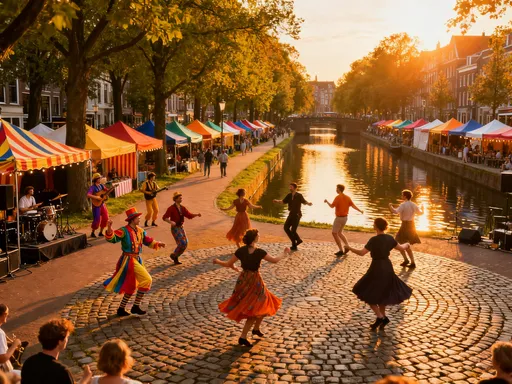
Beyond the food, Taste of Tasmania is a social event. Families gather at long tables, friends toast with glasses of cider, and couples share plates under fairy lights. Live music plays in the background — folk trios, jazz ensembles, acoustic duos — adding to the festive atmosphere. Cooking demonstrations by local chefs offer practical inspiration, with tips on how to use seasonal ingredients at home. For many visitors, this festival is not just a highlight of their trip — it’s a window into the soul of the island.
Festivals Beyond the Main Stage: Hidden Community Celebrations
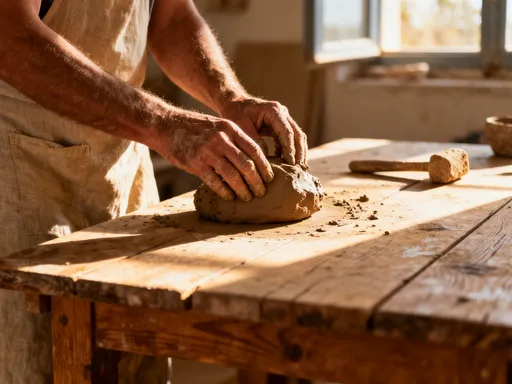
While Dark Mofo, MONA FOMA, and Taste of Tasmania draw the largest crowds, Hobart’s true charm lies in its smaller, community-driven festivals. These events may not make international headlines, but they offer some of the most authentic experiences in the city. The Salamanca Arts Festival, held each autumn, transforms the historic sandstone warehouses of Salamanca Place into galleries, performance spaces, and pop-up studios. Local painters, potters, and textile artists open their doors, inviting visitors to watch them work, ask questions, and even try their hand at a craft.
Harvest festivals in nearby towns like Richmond and Ouse celebrate the agricultural cycle with farmers’ markets, sheepdog trials, and communal meals. These events are deeply rooted in rural life, where neighbors come together to mark the end of the growing season. Visitors are welcomed not as tourists, but as guests. They might find themselves helping to churn butter, learning to weave with wool, or sharing stories over a pot of stew. There’s no script, no ticketing — just the simple joy of connection.
Other hidden gems include the Falls Festival, a music and arts event held in the lush countryside outside Hobart, and the Ten Days on the Island festival, which takes place every two years across multiple locations in Tasmania. This latter event is particularly special — a celebration of island identity that features everything from giant puppet processions to traditional boat-building demonstrations. It’s a reminder that culture in Tasmania is not centralized in the capital, but woven throughout the landscape.
These smaller festivals thrive on volunteerism and local sponsorship. They are not driven by profit, but by passion. This grassroots energy makes them feel genuine and unhurried. Visitors who seek them out often describe them as the most memorable parts of their trip — not because of spectacle, but because of the warmth they encounter. In a world where travel can feel transactional, these moments of human connection are priceless.
Planning Your Trip: Timing, Tickets, and Transport Tips
For those planning to experience Hobart’s festival magic, timing is everything. The city’s peak festival season runs from late December through January, with Taste of Tasmania and MONA FOMA drawing the largest crowds. June is another key month, as Dark Mofo transforms the winter landscape. Booking accommodations well in advance is essential — hotels and guesthouses fill up quickly, especially during these periods. Travelers who prefer quieter stays might consider nearby towns like Battery Point or Sandy Bay, which offer scenic views and easy access to the city center.
Tickets for major festivals should be purchased online as soon as they become available. While some events are free — such as outdoor installations or street performances — headline concerts and dining experiences often sell out months ahead. MONA itself requires timed entry, and combined passes that include ferry access and festival events are highly recommended for convenience.
Getting around Hobart is relatively easy. The city center is compact and walkable, with most festival venues located within a 20-minute stroll of each other. The free City Loop bus service connects key areas, and bike rentals are available for those who want to explore at their own pace. For visitors arriving from mainland Australia, regular flights connect Hobart to Sydney, Melbourne, and Brisbane. The Spirit of Tasmania ferry also offers an alternative route from Melbourne, allowing travelers to bring their vehicles and extend their journey into the island’s interior.
Weather should be factored into planning. Winters are cold and damp, so layers, waterproof jackets, and sturdy footwear are essential for Dark Mofo. Summers are mild, but evenings can still be cool, especially near the water. Packing a light jacket is always wise. Regardless of season, the unpredictable climate is part of Tasmania’s charm — a reminder that nature, not convenience, sets the rhythm here.
Why Hobart’s Festival Magic Spreads So Fast
The global fascination with Hobart’s festivals is not accidental. It is fueled by something deeper than marketing — a hunger for authenticity in an age of simulation. In a world where travel experiences often feel curated and commercial, Hobart offers something rare: events that are raw, real, and rooted in place. Social media has played a crucial role in spreading the word. A single image of a glowing rune in the fog, a crowd dancing under a forest canopy, or a plate of oysters by the sea can capture the imagination of thousands, sparking curiosity and wanderlust.
But virality alone cannot sustain interest. What keeps people coming back is the quality of the experience. These festivals do not rely on celebrity headliners or flashy production. They succeed because they are made by people who care — artists who believe in their work, chefs who honor their ingredients, and communities that open their doors with generosity. This authenticity translates into moments that feel meaningful, not just memorable.
Hobart’s festivals also challenge assumptions about what small cities can achieve. They prove that scale is not a barrier to impact, that remoteness can be an asset, and that culture thrives when it is community-led. In doing so, they inspire other towns around the world to invest in their own creative identities, to celebrate their seasons, and to trust in the power of gathering.
Ultimately, Hobart is more than a destination — it is a movement. A quiet revolution in how we think about art, food, and connection. To attend one of its festivals is not just to witness a celebration, but to become part of it. And that, perhaps, is the most powerful magic of all.