What No One Tells You About Kingston’s Cultural Scene
Kingston, Jamaica isn’t just reggae and mountains—it’s a living, breathing cultural hub pulsing with art, history, and local pride. But diving into its vibrant scene without knowing the pitfalls? That can turn an amazing trip sour real fast. I learned this the hard way. From misunderstood traditions to overcrowded festivals, some experiences left me frustrated—until I figured out how to do it right. This is what I wish I knew before exploring Kingston’s cultural heartbeat.
The Allure of Kingston’s Culture – More Than Just Bob Marley
When most travelers think of Kingston, they picture the birthplace of reggae, the legendary Tuff Gong studios, or the towering Blue Mountains that cradle the city. While these are undeniable icons, they represent only a fraction of what makes Kingston’s cultural fabric so rich and layered. Beyond the global image of Bob Marley and dancehall beats lies a dynamic, evolving scene that includes visual arts, spoken word, theater, fashion, and deep-rooted spiritual traditions. The city pulses with creative energy, nurtured by generations of artists, thinkers, and community leaders who have shaped Jamaica’s national identity from within its streets and neighborhoods.
At the heart of this cultural ecosystem are institutions like the Institute of Jamaica and the National Gallery of Jamaica. The Institute, established in 1879, is not only a museum but a multidisciplinary center dedicated to natural history, anthropology, and the preservation of Jamaican heritage. Its collections include rare artifacts from the island’s indigenous Taino people, historical documents, and ethnographic displays that offer insight into the island’s complex past. Meanwhile, the National Gallery of Jamaica, located in the historic Devon House compound, showcases the evolution of Jamaican art from the 18th century to contemporary works by emerging and established artists. These spaces are not just for academics—they welcome curious visitors who want to understand the soul of the nation through its creative expression.
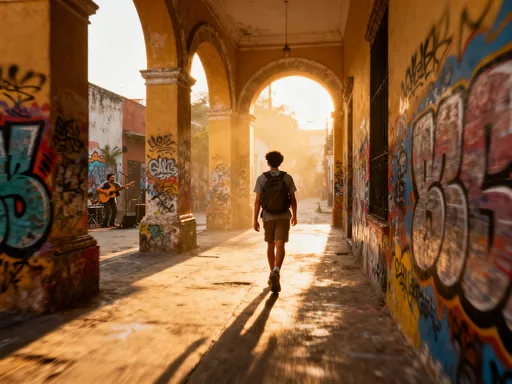
What sets Kingston apart from many other Caribbean capitals is the accessibility of its culture. Unlike cities where art and history are confined to elite institutions, here, culture spills into the streets. Murals in downtown alleys tell stories of resistance and resilience. Street vendors sell hand-carved masks and paintings that reflect African and Caribbean symbolism. In neighborhoods like Trench Town and Denham Town, music isn’t just entertainment—it’s a language of survival, protest, and joy. This authenticity is why experiential travel is growing in popularity among visitors who seek more than sun and sand. They want connection, context, and the chance to witness culture as it lives and breathes.
Yet, this very authenticity demands respect. Kingston’s cultural offerings are not curated for tourist consumption. They are born from lived experience, often rooted in hardship, faith, and community solidarity. When approached with genuine curiosity and humility, travelers can gain profound insights. But when treated as mere attractions, the experience becomes hollow—and worse, it risks offending the very people who keep these traditions alive. The key lies in understanding that cultural tourism in Kingston is not about checking boxes; it’s about opening hearts and minds to a way of life that has shaped a nation.
Pitfall #1: Treating Culture as Entertainment, Not Legacy
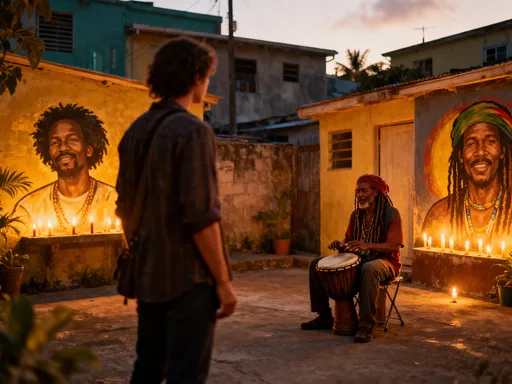
One of the most common missteps travelers make in Kingston is viewing cultural practices as performances rather than sacred traditions. This mindset often stems from a well-intentioned desire to engage, but without proper context, it can lead to unintentional disrespect. A prime example is the Nyabinghi ceremony, a spiritual gathering central to the Rastafari movement. These all-night events, filled with drumming, chanting, and prayer, are deeply religious and rooted in African traditions of praise and liberation. Yet, some visitors treat them as photo opportunities, snapping pictures with flash, stepping into restricted areas, or even attempting to join in without invitation.
Such actions may seem harmless to outsiders, but they disrupt the solemnity of the event and can be deeply offensive to participants. For Rastafarians, the Nyabinghi is not a show—it is a form of worship, a connection to Jah (God), and a remembrance of ancestral struggles. The steady beat of the akete drums, the synchronized chanting, and the use of ganja as a sacrament are all part of a spiritual practice that has been preserved for decades. When tourists treat these moments as entertainment, they strip them of their meaning and reduce a profound cultural expression to a spectacle.
Another example is community drumming circles, often held in parks or public spaces. While some are open to participation, others are private gatherings meant for local residents to connect, heal, and celebrate. I once observed a group of tourists push their way into a circle in Emancipation Park, clapping off-beat and laughing at the rhythms, clearly unaware that they were interrupting a memorial for a recently passed elder. The discomfort on the faces of the locals was unmistakable. These moments highlight the importance of reading the room—literally and figuratively.
The solution is simple but requires mindfulness: observe first, ask second, and participate only when invited. Many cultural experiences in Kingston are not advertised online or listed in guidebooks because they are not meant for mass audiences. Instead of assuming access, travelers should seek permission, listen to instructions, and be willing to step back if the moment isn’t meant for them. Respecting boundaries isn’t about exclusion—it’s about honoring the depth and dignity of traditions that have sustained communities for generations.
Pitfall #2: Chasing the “Authentic” While Missing the Real Thing
There’s a quiet irony in how many travelers search for “authentic” cultural experiences in Kingston—only to end up in carefully staged shows designed for tourist dollars. In their quest to avoid commercialization, some visitors unknowingly support performances that are more about profit than preservation. These events often feature exaggerated versions of Jamaican culture: overly choreographed dance routines, simplified versions of folk tales, and musicians playing the same hits tourists expect to hear. While entertaining, they lack the spontaneity, depth, and community context that define genuine cultural expression.
True authenticity in Kingston isn’t found in polished venues with air conditioning and souvenir shops. It’s found in unmarked community centers, backyard theaters, and open-air markets where locals gather not for show, but for connection. One evening, I followed a recommendation from a local barista to a small theater in Half Way Tree hosting a play by a grassroots troupe called Yard Theatre. There were no tickets sold online, no flashy posters—just word of mouth. The performance, written and acted by young Kingstonians, explored themes of identity, migration, and family. The audience, made up mostly of neighbors and friends, responded with laughter, gasps, and spontaneous applause. That night felt real in a way no staged “cultural show” ever could.
So how can travelers distinguish between the real and the rehearsed? First, look for signs of local attendance. If an event is primarily attended by foreigners, it’s likely tailored to their expectations. Genuine cultural spaces are filled with Jamaicans—from elders to children—who are there because the experience matters to them. Second, pay attention to the setting. Authentic venues are often modest: a converted garage, a church hall, or a corner lot with folding chairs. They may lack amenities, but they overflow with energy and sincerity. Third, avoid places that rely heavily on online promotion or influencer presence. While social media can be helpful, the most meaningful experiences are often shared quietly, through personal connections.
Another red flag is the absence of context. Real cultural events explain their significance—not as a script for tourists, but as part of the experience itself. A community festival celebrating Jonkonnu, for example, might include storytelling about its African and colonial roots, or elders teaching younger generations the traditional masquerade dances. These moments of transmission are sacred. When travelers witness them, they’re not just watching a performance—they’re seeing culture in motion, being passed down and reimagined.
Pitfall #3: Ignoring Timing and Context of Cultural Events
Timing is everything when engaging with Kingston’s cultural calendar. Show up unprepared, and even the most well-meaning visitor can become a disruption. Major events like Emancipation Day on August 1st or the Kingston Creative First Saturdays draw thousands, transforming the city’s streets into vibrant, crowded celebrations of art, music, and heritage. These occasions are deeply meaningful—they commemorate freedom, resilience, and creative expression. But they are not designed as tourist attractions. Many are community-led, funded by local artists, and organized with limited resources. When large numbers of uninvited visitors arrive without understanding the etiquette, it can strain logistics and dilute the experience for those it was intended for.
I learned this the hard way during my first visit to a First Saturday event. Excited by online photos, I arrived late, unregistered, and unaware that some installations required timed entry. I wandered into a poetry reading already in progress, drawing annoyed glances from the audience. Later, I tried to join a workshop that had reached capacity—only to be politely turned away. It wasn’t that the organizers were unwelcoming; they simply couldn’t accommodate walk-ins. What I saw as spontaneous fun was, in reality, carefully coordinated and prioritized for locals and pre-registered guests.
The lesson? Research and plan ahead. Check the official Kingston Creative website or follow local arts organizations on social media for event details. Understand whether registration is required, what the capacity limits are, and if certain parts of the event are invite-only. Respect the schedule—arrive on time, stay for the full session if possible, and leave quietly when it ends. These small acts of consideration go a long way in showing that you value the event not just as a spectacle, but as a meaningful gathering.
Additionally, be aware of the cultural significance of certain dates. Emancipation Day, for instance, is not a party—it is a solemn remembrance of the end of slavery and a celebration of African heritage. Attendees often dress in traditional African-inspired attire, participate in libation ceremonies, and listen to speeches from elders. While visitors are sometimes welcome, they should approach with reverence, avoid intrusive photography, and refrain from treating the day like a festival. Similarly, religious events like Groundation, held weekly by Rastafarian communities, are spiritual observances, not tourist attractions. Showing up without understanding their purpose can be seen as disrespectful.
How to Experience Culture Right: Local Partnerships and Slow Engagement
The most rewarding way to engage with Kingston’s culture is through partnership, not observation. Instead of viewing yourself as a spectator, aim to become a respectful participant. One of the best ways to do this is by joining guided cultural walks led by local residents. Organizations like Walks in Kingston and Jamaica Heritage Tours offer immersive experiences that go beyond surface-level sightseeing. Guides share personal stories, historical context, and behind-the-scenes access to places tourists wouldn’t find on their own. More importantly, these tours are designed with community input, ensuring that the narrative stays true to local perspectives.
Another powerful approach is attending workshops or volunteering with arts initiatives. Kingston is home to numerous community-based projects that welcome support—from mural painting with youth collectives to assisting with literary festivals. These opportunities allow travelers to contribute meaningfully while building real connections. I once spent a weekend helping at the Calabash International Literary Festival, where I met authors, poets, and educators who spoke passionately about the power of storytelling in Jamaican life. The experience deepened my appreciation far more than any museum visit could have.
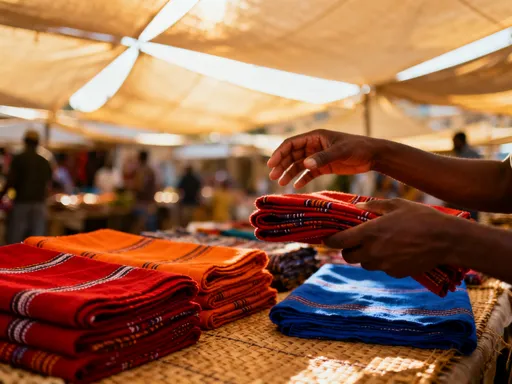
Supporting local artists directly is another way to honor the culture. Instead of buying mass-produced souvenirs, seek out handmade crafts at community markets or small galleries. Purchase a painting from a street artist, attend a live music session at a neighborhood bar, or follow creatives on social media to amplify their work. These small acts create economic impact and show that you value their artistry. Remember, in Kingston, culture is not a product—it’s a livelihood for many. By supporting it authentically, you help sustain it for future generations.
Most importantly, slow down. Don’t try to cram five cultural events into one day. Allow time for conversations, for silence, for the unexpected moments that arise when you’re not rushing. Let the city reveal itself gradually. Sit in a park and listen to elders talk. Share a meal with a local family. Ask questions with genuine interest, not just for content to post online. When you approach culture with patience and humility, it opens up in ways you never expected.
Beyond the City Center: Hidden Cultural Pockets in Kingston’s Neighborhoods
While downtown Kingston offers landmarks like Devon House and the Bob Marley Museum, some of the city’s most vibrant cultural expressions thrive in its residential neighborhoods. Areas like August Town, Papine, and Trench Town each have distinct creative identities shaped by history, music, and community pride. Trench Town, famously known as the birthplace of ska and reggae, is more than a music landmark—it’s a living community with a strong sense of identity. The Trench Town Culture Yard, once home to Bob Marley and other legends, now serves as a cultural hub where youth learn music, dance, and history. Murals depict icons like Peter Tosh and Burning Spear, and weekly sound system sessions keep the rhythm alive.
August Town, nestled in the foothills, is home to the University of the West Indies and a growing arts scene. Local collectives host poetry slams, art exhibitions, and theater performances that reflect contemporary Jamaican life. Papine, adjacent to the university, buzzes with intellectual and creative energy. Student-led initiatives often blend academic discourse with artistic expression, creating a unique fusion of thought and creativity. These neighborhoods are not “slums” to be toured out of curiosity—they are communities with dignity, history, and ongoing contributions to Jamaica’s cultural landscape.
Exploring these areas requires extra care. Never treat them as photo safaris or poverty exhibits. Avoid intrusive photography, especially of children or private homes. Stick to public events or spaces that welcome visitors. If possible, go with a local guide who can provide context and ensure your presence is respectful. Many community centers and cultural groups offer organized visits—these are the best way to engage without overstepping. When done right, visiting these neighborhoods becomes a privilege, not a privilege-taking.
Conclusion: Travel That Honors Culture, Not Just Consumes It
Kingston’s cultural scene is not a museum exhibit or a checklist of experiences. It is a living, breathing expression of a people’s history, struggles, and triumphs. To engage with it meaningfully requires more than curiosity—it demands respect, patience, and a willingness to listen. The pitfalls of treating culture as entertainment, chasing false authenticity, or ignoring timing and context are common, but they are avoidable. By choosing mindful engagement, travelers can move beyond spectatorship and become humble participants in something much larger than themselves.
The most transformative moments I’ve had in Kingston weren’t the ones I planned. They were the unplanned conversations with elders in a park, the invitation to a backyard music session, the quiet moment standing before a mural that told a story of resistance. These experiences didn’t come from guidebooks—they came from slowing down, showing up with respect, and allowing culture to unfold on its own terms.
As you plan your visit to Kingston, ask yourself: Am I here to consume, or to connect? Am I seeking a story to tell, or a story to understand? The city’s culture deserves travelers who come with curiosity, humility, and heart. When we honor it not just with our eyes, but with our actions, we don’t just see Kingston—we become part of its rhythm, even if only for a moment. And that is the true reward of travel.