This Is Why Bagan’s Skyline Will Blow Up Your Feed
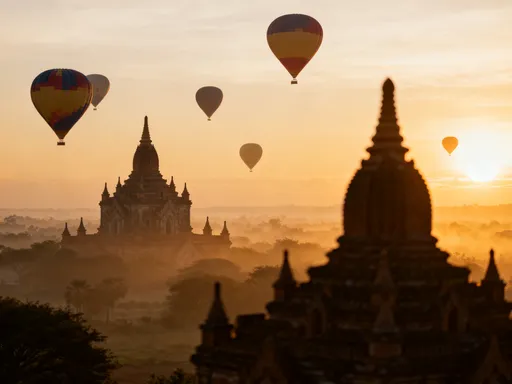
You know that feeling when you see a place so surreal, you swear it’s photoshopped? Bagan was exactly that for me. Imagine thousands of ancient temples scattered across a misty plain, glowing at sunrise, with hot air balloons floating above like something from a dream. As someone who’s chased sunsets from Santorini to Siem Reap, nothing prepared me for this. It’s not just scenic—it’s otherworldly. And yes, every inch is 100% Instagram gold. This isn’t just another destination on the map; it’s a living canvas painted with history, light, and silence. For women in their thirties to fifties who seek meaningful travel—where beauty meets depth—Bagan offers an experience that resonates far beyond the camera lens. It’s the kind of place that reminds you why you travel in the first place.
First Light Over the Dry Zone
The true magic of Bagan begins before the sun rises. Around 5:00 a.m., as the sky shifts from indigo to soft peach, the central plains awaken under a hush so profound it feels sacred. This is the moment when the temples—over 2,000 of them—emerge from the mist like sentinels of another time. Their red brick silhouettes stretch across the dry zone, a vast, open landscape shaped by centuries of monsoon rains and seasonal droughts. The region’s unique topography, formed by sedimentary deposits and river shifts, creates an almost lunar flatness that allows uninterrupted sightlines. This natural openness is what makes Bagan’s skyline so visually powerful—there are no hills or trees to obscure the view, just temple after temple rising from the earth.
For photographers and mindful travelers alike, sunrise is the golden hour in every sense. The low-angle sunlight bathes the ancient stupas in warm, honeyed light, highlighting their weathered textures and casting long, dramatic shadows. This is when the landscape feels most alive, before the midday heat sets in and the crowds arrive. To experience it fully, it’s best to arrive at a viewing point at least 30 minutes before dawn. One of the most accessible and photogenic locations is the area near Gawdawpalin Temple, one of Bagan’s largest and best-preserved structures. Its symmetrical design and elevated platform offer a panoramic view without requiring a strenuous climb.
From a technical standpoint, early morning light presents ideal conditions for photography. A tripod is highly recommended for long exposures, especially if capturing the soft movement of mist or the faint glow of temple interiors. A wide-angle lens (between 16–35mm) works well for capturing expansive scenes, while a telephoto lens (70–200mm) can isolate distant spires through the haze. Set your camera to a low ISO (100–200) to minimize grain, and use aperture priority mode with an f-stop around f/8 to f/11 for sharpness throughout the frame. Many travelers opt to rent gear locally or hire a guide with professional equipment, which can enhance the experience without the burden of carrying heavy bags.
Equally important is timing your visit to avoid congestion. While sunrise is popular, arriving slightly earlier—just as the first light touches the horizon—can give you a few quiet minutes before others appear. Consider exploring lesser-known temples like Thatbyinnyu or Ananda’s east entrance, where foot traffic is lighter. The stillness of those early moments, when the only sounds are distant bird calls and the rustle of palm leaves, is part of what makes Bagan so transformative. It’s not just about capturing a photo—it’s about absorbing the atmosphere, one breath at a time.
Hot Air Balloons: A Dreamy (But Responsible) Perspective
No image of Bagan is more iconic than the sight of hot air balloons drifting above the temple-strewn plains at dawn. These colorful orbs, rising gently with the sun, have become synonymous with the destination’s visual identity. Floating at altitudes between 2,000 and 2,500 feet, balloon rides offer a breathtaking aerial view that no ground-level perspective can match. From above, the scale of the ancient city becomes apparent—temples appear like scattered jewels across a golden carpet, their symmetry and alignment revealing a sophisticated understanding of urban planning and spirituality.
The experience itself is serene. As the balloon lifts off, there’s no sudden jolt—just a quiet ascent into the sky. The burner fires intermittently, sending waves of warmth through the basket, while the pilot points out landmarks below. On a clear morning, visibility can extend for miles, allowing passengers to see the Ayeyarwady River winding in the distance and the faint outlines of villages nestled among the fields. Most flights last about 45 minutes to an hour, ending with a gentle landing and a traditional champagne toast—a small but memorable touch that adds to the sense of occasion.
However, with popularity comes responsibility. In recent years, concerns have grown about the environmental and cultural impact of mass balloon tourism. To address this, licensed operators now follow designated flight paths that avoid sensitive archaeological zones and active religious sites. Many companies also adhere to sustainable practices, such as limiting the number of daily flights and using propane-efficient burners. Travelers are encouraged to choose operators certified by the Myanmar Ballooning Federation, which upholds safety and environmental standards. Booking in advance is essential, especially during peak season (November to February), as flights often sell out weeks ahead.
Costs for a balloon ride typically range from $275 to $325 per person, depending on the season and operator. While this is a significant expense, many visitors find it worth the investment for the once-in-a-lifetime perspective. For families or small groups, some companies offer private flights, which provide more flexibility and intimacy. It’s also worth noting that children under six are generally not permitted, and those with mobility issues should consult with operators beforehand due to the step-up entry into the basket.
As with all forms of tourism in culturally rich areas, mindfulness matters. While the view is extraordinary, it’s important to remember that Bagan is not just a backdrop for photos—it’s a living heritage site. Pilots are trained to avoid flying directly over temples or pagodas during worship hours, respecting both preservation guidelines and local customs. By choosing responsible operators and traveling with awareness, visitors can enjoy this magical experience while helping to protect Bagan’s integrity for future generations.
Beyond the Temples: Hidden Natural Gems
While Bagan’s temples rightfully steal the spotlight, the surrounding landscape holds its own quiet beauty. Beyond the ancient brickwork and carved stupas lies a terrain shaped by nature’s rhythms—acacia-dotted plains, seasonal lotus ponds, and the slow, meandering course of the Ayeyarwady River. These natural elements are not separate from Bagan’s story; they are part of it. The dry zone’s ecosystem, adapted to extreme seasonal shifts, supports hardy grasses, drought-resistant shrubs, and wildlife such as peacocks, monitor lizards, and migratory birds.
One of the most peaceful ways to experience this blend of nature and history is on foot. Walking trails near Myinkaba Village, just south of Old Bagan, offer a slower, more intimate journey. Here, paths wind between centuries-old temples and working farms, where farmers tend mustard fields or guide ox carts along dirt roads. The contrast is striking—ancient stone spires rising beside humble thatched huts, where life continues much as it has for generations. These moments of quiet coexistence are some of the most authentic glimpses into Bagan’s living culture.
For those interested in botany or seasonal changes, the lotus ponds near Dhammayangyi Temple are worth visiting, especially in the late monsoon months (September to October). When in bloom, the ponds shimmer with pink and white flowers, their broad leaves floating like lily pads on still water. The sight is both tranquil and photogenic, offering a softer, more reflective side of Bagan. Similarly, the riverbanks along the Ayeyarwady provide a cooling contrast to the inland heat. Sunset walks here often reveal fishermen casting nets, children playing on the sand, and the occasional water buffalo cooling off in the shallows.
When exploring these natural areas, proper footwear is essential. The ground is often uneven, with loose gravel, cracked earth, or hidden roots. Sturdy walking shoes with good ankle support are recommended, especially for older travelers or those with joint sensitivity. A wide-brimmed hat, sunscreen, and a refillable water bottle are also wise additions to your daypack. Because shade is limited, early morning or late afternoon are the best times to venture out. Carrying a lightweight scarf or shawl can provide extra protection from sun and dust, and doubles as a modest cover when passing near local homes or places of worship.
Sunset from Shwezigon’s Shadow
If sunrise in Bagan feels like a private meditation, sunset is a shared celebration. As the day cools, travelers and locals alike gather at elevated points to witness the sky ignite in shades of amber, rose, and lavender. One of the most popular vantage spots is near Shwezigon Pagoda, a gilded stupa that serves as both a spiritual center and a natural focal point for evening views. Its golden dome catches the last light, glowing like a beacon against the darkening skyline. The surrounding area, with its open plazas and gentle slopes, accommodates small crowds without feeling overcrowded—especially if you arrive early.
The science behind Bagan’s golden hour is as compelling as the visuals. During sunset, sunlight travels through a thicker layer of atmosphere, scattering shorter blue wavelengths and allowing longer red and orange rays to dominate. This natural filtering effect is amplified by the region’s fine dust particles, which diffuse the light into a soft, painterly glow. The result is a warm, radiant ambiance that enhances textures and depth in photographs. Unlike flash photography, which can feel harsh and intrusive, this natural illumination flatters both architecture and people, making it ideal for candid shots of monks, vendors, or fellow travelers.
While Shwezigon is a reliable choice, there are quieter alternatives for those seeking solitude. The upper terraces of Dhammayangyi Temple, though more remote, offer unobstructed westward views with fewer onlookers. Another option is the grassy knoll behind Sulamani Temple, where a few benches provide comfortable seating and a panoramic outlook. These spots allow for a more personal experience, where the act of watching the sun dip below the horizon becomes a moment of reflection rather than performance.
It’s also important to be mindful of photography etiquette, particularly around active religious sites. Drones are prohibited within Bagan Archaeological Zone, and even handheld photography should be respectful. Avoid using flash near prayer areas, and never point your lens at individuals without permission—especially monks or elderly locals. A simple smile and nod can go a long way in building goodwill. Remember, these spaces are not just scenic backdrops; they are places of devotion and daily life.
The Seasons That Shape the Scene
Bagan’s visual character transforms dramatically with the seasons, each offering a distinct mood and photographic advantage. Understanding these shifts can help travelers choose the best time to visit based on their priorities—whether it’s crisp lighting, lush greenery, or comfortable temperatures.
The post-monsoon period, from July to October, brings the most vibrant vegetation. After months of rain, the plains turn a soft green, and the lotus ponds fill with water and blooms. This season offers a rare freshness to the landscape, with mist often lingering in the mornings and the air feeling cooler. However, humidity levels are high, and afternoon showers are common, which can limit outdoor activities. Cloud cover may also affect sunrise and sunset clarity, though storm-clear skies can produce dramatic lighting.
Winter, from November to February, is widely considered the ideal time to visit. The weather is dry, the skies are clear, and temperatures range from 65°F to 85°F (18°C to 29°C)—comfortable for long days of exploration. This is when the light is most consistent, making it perfect for photography. The ground takes on a golden hue, enhancing the warm tones of the temples. It’s also peak tourist season, so advance bookings for accommodations and balloon rides are strongly advised.
March through May marks the hot season, when temperatures can exceed 100°F (38°C). The earth becomes parched, and dust swirls in the wind, giving the landscape a more rugged, almost Martian appearance. While this can create striking contrasts in photos, the heat can be challenging, especially for older travelers or those with health sensitivities. Early mornings and late afternoons are the only comfortable times to be outdoors. Still, this season offers fewer crowds and lower prices, making it a good option for budget-conscious visitors who don’t mind the intensity.
No matter the season, preparation is key. Lightweight, breathable clothing in neutral colors helps with both comfort and photo aesthetics. A small fan, cooling towel, or misting spray can provide relief during midday heat. Staying hydrated is essential—locals often drink herbal teas or fresh coconut water, which are widely available at market stalls.
Local Life in the Landscape
Bagan is not a museum frozen in time; it is a living region where daily life unfolds alongside ancient ruins. Women in sarongs carry baskets of vegetables to market, children pedal bicycles down dusty lanes, and farmers guide water buffalo through fields bordered by 900-year-old walls. These moments of ordinary life, set against an extraordinary backdrop, are what give Bagan its soul.
Travelers are often drawn to photograph these scenes, but it’s crucial to do so with respect. Instead of treating locals as props, take time to connect—ask permission with a smile, offer a small greeting in Burmese (a simple “Mingalaba” means hello), and be willing to put the camera down. Some of the most meaningful experiences come from quiet observation: watching an elder light incense at a wayside shrine, or sharing a cup of sweet tea with a vendor during a rest stop.
Supporting local artisans is another way to engage authentically. Small shops near Nyaung U market sell handmade lacquerware, a craft passed down for generations. Watching an artisan hand-turn a bowl on a wooden lathe is a lesson in patience and precision. Purchasing directly from these makers ensures that tourism benefits the community. Similarly, hiring local guides—not just for historical context, but for personal stories—adds depth to the journey. Many guides grew up in nearby villages and can share insights no guidebook can replicate.
For family-oriented travelers, these interactions can be especially enriching. Children respond warmly to visitors who show genuine interest, and multi-generational families often welcome respectful conversation. Simple gestures—like offering to help carry a basket or sharing snacks—can build bridges across cultures. The goal isn’t to stage a perfect photo, but to participate, however briefly, in the rhythm of daily life.
Capturing More Than a Photo
In the age of social media, it’s easy to measure a trip by the number of likes a photo receives. But Bagan has a way of recalibrating that metric. Here, photography becomes less about performance and more about presence. The sheer scale of the landscape—thousands of temples spread over 26 square miles—puts human concerns into perspective. The silence at dawn, the warmth of the sun on ancient brick, the distant chime of a monk’s bell—these are the details that stay with you long after the memory card is full.
To truly honor the experience, consider going beyond the snapshot. Keep a small journal to record not just what you saw, but how it felt. Note the temperature, the quality of light, the scent of dust and incense in the air. These sensory details transform a photo from a mere image into a story. Back home, share those stories with loved ones—over coffee, in a scrapbook, or in a letter to a friend. Let your travel be a conversation, not just a broadcast.
Technically, it’s wise to back up your photos daily. Portable hard drives or cloud storage apps can protect your memories from loss. Labeling images with dates and locations helps preserve context. And while filters can enhance a photo, try leaving some untouched—Bagan’s natural light is often perfect as it is.
Most importantly, carry forward a sense of stewardship. Bagan is a UNESCO World Heritage Site for a reason—it belongs to humanity. Avoid touching or climbing on fragile structures, dispose of waste properly, and follow local guidelines. When you share your photos online, include context: a note about preservation, a tip for respectful travel, or a tribute to the people who call this place home. In doing so, you help ensure that Bagan’s skyline remains not just a viral sensation, but a lasting treasure—for your feed, and for the world.