Stockholm Unlocked: Why Self-Driving Turns the City Into Your Own Urban Playground
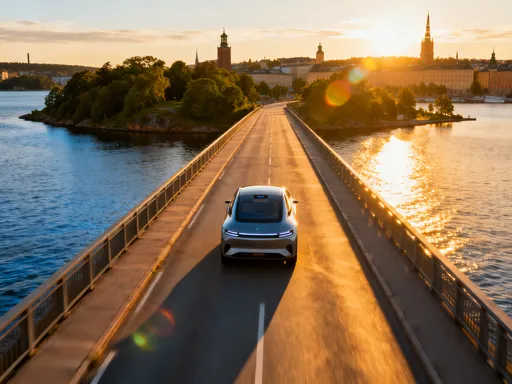
You know that feeling when a city just clicks? For me, it happened in Stockholm—behind the wheel, windows down, island-hopping without a fixed plan. This isn’t just about getting from A to B; it’s how self-driving reshapes your connection with urban space. The freedom to explore hidden courtyards, coastal viewpoints, and local neighborhoods at your own rhythm makes all the difference. In a city built across 14 islands, where waterways weave between historic streets and modern design, movement becomes part of the experience. And while many visitors rely solely on public transport, those who take the wheel discover a deeper, more intimate side of the Swedish capital—one that rewards curiosity, flexibility, and a love for scenic detours.
The Urban Pulse of Stockholm
Stockholm is a city defined by its relationship with water. Built across 14 islands connected by over 50 bridges, it is a metropolis where nature and urban life exist in elegant harmony. From the medieval charm of Gamla Stan to the leafy sophistication of Östermalm and the creative energy of Södermalm, each district offers a distinct character shaped by its geography and history. The city stretches along Lake Mälaren and the Baltic Sea, creating a dynamic landscape where urban development meets forested shores and open water. This unique layout means that while central areas are compact and walkable, the full richness of Stockholm unfolds only when you venture beyond the core.
For travelers, this presents both opportunity and challenge. Public transportation in Stockholm is efficient, with an extensive metro, bus, and commuter train network known as SL. Yet, even the best transit system can't reach every quiet inlet, hidden park, or local neighborhood market tucked away in residential zones. While tourists often cluster in Gamla Stan or Djurgården, areas like Lidingö, Ekerö, or the southern archipelago remain underexplored—not because they lack charm, but because access requires more than a subway card. This is where self-driving becomes a game-changer. A rental car transforms the city from a series of isolated destinations into a continuous, flowing experience.
Consider the contrast between visiting Djurgården by tram versus arriving by car. The tram drops you at a central point, funneling you into the main museum cluster. But with a vehicle, you can meander along Djurgårdsbrunnsviken Bay, stop at lesser-known trails, and park near Rosendals Trädgård for a quiet lunch among greenhouses and herb gardens. The same applies to areas like Kungsholmen, where narrow streets and limited parking might deter casual drivers, but where having a car allows you to approach from less crowded angles and explore waterfront paths at your own pace. Stockholm’s island-based structure rewards those who can move fluidly between landmasses, and self-driving offers that flexibility in a way few other modes of transport can match.
Why Renting a Car Changes Everything
There’s a common belief that cities are best explored on foot, by bike, or via public transit—and for many urban centers, that holds true. But Stockholm’s geographic complexity makes this assumption worth reconsidering. While walking through Gamla Stan’s cobbled alleys or taking the tunnelbana to trendy SoFo is delightful, these experiences only scratch the surface. A rental car doesn’t replace those pleasures; it expands them. It allows you to blend structured sightseeing with spontaneous discovery, turning a predictable itinerary into an evolving journey.
One of the greatest advantages of driving is access to overlooked neighborhoods and scenic overlooks that are either inconvenient or impossible to reach by public transport. Take Monteliusvägen, a pedestrian path offering one of the most breathtaking panoramic views of central Stockholm. While technically accessible by foot from Södermalm, arriving there by car means you can stop beforehand for coffee in nearby Mariatorget, park nearby, and time your visit for golden hour without rushing to catch a train. Similarly, Waldemarsudde, a waterfront palace turned art museum on Djurgården, is surrounded by shaded walking paths and quiet bays—perfect for a post-museum stroll, but often missed by visitors pressed for time on guided tours.
Flexibility is another major benefit. With your own vehicle, you control the pace. You can linger at a flea market in Saltsjöbaden, take a detour to see the sculpture park at Millesgården, or pause for a swim at a public beach during summer. There’s no need to coordinate return trips around metro schedules or worry about carrying shopping bags on crowded trams. For families or travelers with mobility considerations, this autonomy is especially valuable. A car also makes day trips effortless—whether it’s a visit to Drottningholm Palace on Lovön Island or a drive through the forested outskirts to Tyresö’s serene coastline. These experiences enrich a city visit, transforming it from a checklist of attractions into a lived, personal narrative.
Navigating the City: Driving Realities and Rules
For many travelers, the idea of driving in a foreign city brings anxiety—but Stockholm is one of the most driver-friendly capitals in Europe. Roads are well-maintained, signage is clear and consistent, and traffic congestion is relatively low, especially outside weekday rush hours. Speed limits are strictly enforced, but they are straightforward: 50 km/h in most urban areas, 70–90 km/h on outer roads, and clearly marked zones near schools and residential neighborhoods. Roundabouts are common, but their use follows predictable patterns, and Swedes are generally courteous and rule-abiding drivers.
One key feature of driving in Stockholm is the electronic toll system. The city uses automatic number plate recognition at entry points, and fees are collected through a system called Brobizz or billed directly to rental companies. Most major rental agencies include a temporary Brobizz tag in their packages, charging a daily fee that covers all tolls. While this adds to the cost, it simplifies the process—drivers don’t need to stop or manually pay. It’s important to confirm this with your rental provider, as unexpected toll charges can appear on your credit card if not properly arranged.
Parking varies by district but is generally well-organized. In central areas like Östermalm and Gamla Stan, street parking is limited and often time-restricted, with clear signs indicating zones and rates. Many hotels offer parking, though it may come at a premium. Residential neighborhoods use a permit system, so visitors should rely on designated public lots or park-and-walk areas. Apps like EasyPark and PayByPhone are widely used and make payment simple—just enter your license plate and duration. In less dense areas, such as Djurgården or the southern suburbs, parking is more abundant and often free, especially near nature trails and public beaches.
Winter driving is a different matter, but even then, Stockholm is impressively prepared. From late November to March, roads are regularly cleared, and rental cars come equipped with winter tires—a legal requirement during colder months. While snow-covered streets may seem daunting, the city’s efficient plowing and salting keep major routes open and safe. For those unfamiliar with winter conditions, choosing a vehicle with all-wheel drive offers extra confidence, though it’s rarely necessary for city driving. Overall, driving in Stockholm is less intimidating than many assume, and with basic preparation, even first-time visitors to Sweden can navigate it comfortably.
Design & Flow: How Stockholm’s Urban Planning Supports Car Travel
Stockholm’s success as a drivable city isn’t accidental—it’s the result of decades of thoughtful urban planning. Unlike cities where cars feel like intruders in pedestrian zones, Stockholm integrates vehicle access in a way that complements, rather than competes with, other forms of mobility. Bridges are designed not just for function but for flow, allowing smooth transitions between islands while preserving scenic views. Traffic calming measures, such as narrowed lanes and shared spaces in residential areas, encourage safe driving without eliminating car access entirely.
One of the city’s most effective strategies is the use of park-and-walk zones. In areas like Djurgården and Skansen, dedicated parking lots are placed at the edges of high-traffic tourist sites, encouraging visitors to leave their cars and explore on foot. This reduces congestion in sensitive areas while still accommodating those who arrive by car. Similarly, neighborhoods like Vasastan and Kungsholmen balance narrow streets with limited but accessible parking, often in underground garages or surface lots integrated into housing complexes. This layered approach ensures that cars serve as a tool for access rather than a source of disruption.
Urban design also prioritizes multimodal connectivity. Many parking areas are located near tram or metro stops, allowing drivers to switch seamlessly to public transit for the final leg of their journey. Bike lanes run parallel to major roads, and rental bike stations are often situated near parking hubs, enabling mixed-mode trips. This flexibility reflects Stockholm’s broader philosophy: transportation should adapt to people’s needs, not the other way around. For visitors, this means they can use a car strategically—driving to a scenic starting point, then walking, cycling, or taking a short ferry ride to complete the experience.
The city’s zoning policies further support this balance. Residential districts are designed with quiet streets and green courtyards, minimizing through-traffic while ensuring residents and visitors can access homes and services by car when needed. Commercial areas, especially in outer neighborhoods, include ample parking for shoppers and diners, recognizing that not everyone lives within walking distance of amenities. This practical approach makes Stockholm feel inclusive and accessible, whether you’re a local resident or a visitor navigating the city for the first time.
Hidden Gems Only Drivers Can Reach
While guidebooks highlight Stockholm’s must-see attractions, some of the city’s most memorable moments happen off the tourist trail—places that are difficult, if not impossible, to reach without a car. These hidden gems offer tranquility, beauty, and a chance to experience Stockholm as locals do. They are not secret in the sense of being unknown, but rather underappreciated by those bound by public transit routes and fixed schedules.
One such spot is the southern shore of Tyresö, a suburban municipality just 20 minutes southeast of the city center. With its rocky coastline, pine forests, and quiet coves, it feels worlds away from urban life. Tyresö Strandbad is a popular local beach in summer, perfect for swimming and picnics, while the nearby nature reserve offers walking trails with views of the archipelago. Without a car, getting here requires multiple bus transfers and a long walk, discouraging all but the most determined visitors. But by car, it’s an easy and rewarding detour.
Another lesser-known destination is Lake Trekanten, nestled in the southwestern part of the city. Surrounded by residential areas and green space, this peaceful lake is a favorite among local joggers and birdwatchers. A walking path circles the entire lake, and benches along the way invite quiet reflection. In autumn, the surrounding trees turn golden, creating a serene backdrop for a midday pause. While accessible by bus, the journey is indirect, and the experience gains meaning when you can arrive spontaneously, perhaps after a morning in nearby Alvik or Bromma.
For art lovers, Fotografiska’s lesser-known vantage points offer a unique perspective. While the museum itself is centrally located on Skeppsholmen, driving allows you to approach from Djurgården and stop at viewpoints along the way—such as the quiet path near Thiel Gallery, where the water reflects the city skyline in stillness rarely seen from tourist hotspots. These moments of quiet beauty, framed by nature and architecture, are the kind of discoveries that make self-driving feel like a form of slow travel—one that values presence over pace.
Balancing Car Use with Sustainable Urban Living
It’s important to acknowledge that Stockholm is a global leader in sustainability. The city has ambitious climate goals, including becoming fossil fuel-free by 2040, and invests heavily in public transportation, cycling infrastructure, and green urban spaces. At first glance, promoting car use might seem at odds with these values. But the reality is more nuanced. When used thoughtfully, short-term car rentals can complement sustainable travel rather than undermine it.
The key lies in intentionality. Instead of relying on a car for every trip, visitors can use it strategically—perhaps only for one or two days of their stay—to access remote nature spots, transport bulky items, or accommodate specific needs like family travel or mobility limitations. This targeted use minimizes environmental impact while maximizing benefit. Many rental agencies now offer hybrid or fully electric vehicles, allowing travelers to reduce their carbon footprint even when driving. Charging stations are increasingly common, especially in central areas and larger parking facilities.
Stockholm also designates eco-zones and low-emission areas, particularly in the inner city, where older, polluting vehicles are restricted. Rental cars typically meet these standards, ensuring compliance without extra effort from drivers. Additionally, the city’s congestion pricing system, active since 2007, helps manage traffic and fund public transit improvements. By integrating car use into a broader mobility ecosystem, Stockholm demonstrates that sustainability doesn’t mean total car avoidance—it means smart, responsible use.
For visitors, this balance means they can enjoy the freedom of driving without compromising their environmental values. Choosing to walk, bike, or take the metro for daily exploration—and reserving the car for special excursions—aligns with the city’s own approach to urban life. It’s not about rejecting public transport; it’s about expanding options to create a richer, more personalized experience.
Putting It All Together: A Sample Self-Drive Day in the City
Imagine starting your morning in Gamla Stan, the heart of old Stockholm. After a breakfast of cinnamon buns and strong coffee at a corner café, you walk to your rental car parked near Slussen. With windows down and a curated playlist setting the mood, you drive across the bridge to Djurgården. The route follows the waterfront, offering glimpses of sailboats and the green dome of the Royal Palace behind you.
You spend the late morning at the Vasa Museum, marveling at the 17th-century warship preserved in astonishing detail. Instead of joining the bus queue for the next stop, you return to your car and drive a few minutes to Rosendals Trädgård, a biodynamic garden with a charming café. Here, you enjoy a leisurely lunch of seasonal dishes under apple trees, followed by a walk through the greenhouses.
In the afternoon, you head southeast toward Ingarö, an island in the northern archipelago accessible by a short drive and ferry (vehicles welcome). The ferry ride itself becomes part of the adventure, offering open-deck views of passing cargo ships and seabirds. On Ingarö, you explore forest trails, visit a small pottery studio, and sip elderflower lemonade at a seaside kiosk. There’s no rush—you’re not tied to a return schedule.
As the sun begins to dip, you make your way back toward the city, parking near Kaknästornet, a viewing tower in the east. From this elevated vantage point, you watch the skyline transform as lights flicker on across the water. The city stretches before you—a mosaic of islands, bridges, and shimmering bays. You’re not just seeing Stockholm; you’re feeling it, moving through it, connected to its rhythm in a way that only self-directed travel allows.
Conclusion
Self-driving in Stockholm is more than a convenience—it’s a different way of experiencing the city. It shifts the focus from passive observation to active exploration, from fixed itineraries to fluid discovery. In a place where land and water intertwine so beautifully, having the freedom to move at your own pace unlocks dimensions of the city that remain hidden to most visitors. It allows access to quiet shores, local neighborhoods, and panoramic views that define the true spirit of Stockholm.
This isn’t about rejecting public transportation or abandoning sustainable values. It’s about expanding your toolkit for travel, using a car as a means to deepen connection rather than replace immersion. For the 30- to 55-year-old traveler—someone who values comfort, authenticity, and meaningful experiences—self-driving offers a balanced, empowering way to engage with urban space. In Stockholm, where design, nature, and culture flow together so gracefully, the open road isn’t an escape from the city. It’s a path into its soul. So the next time you visit, consider taking the wheel. Let the bridges guide you, the islands welcome you, and the journey become as memorable as the destination.