Why Blood Pressure Creeps Up — And What Actually Works to Tame It Naturally
High blood pressure affects millions, often without symptoms, yet it quietly strains the heart and vessels. I discovered mine by chance — and realized how much daily habits shape this silent marker. Science shows lifestyle isn’t just supportive; it’s foundational. This isn’t about quick fixes, but lasting changes proven to lower pressure. Let’s explore what really moves the needle — and why starting early makes all the difference.
The Silent Alarm: Understanding Blood Pressure and Its Hidden Risk
Blood pressure is the force of blood pushing against the walls of your arteries as your heart pumps. Imagine water flowing through a garden hose: when the tap is turned up or the hose is narrow, pressure increases. Similarly, in the body, if the heart pumps harder or the blood vessels become stiff or narrow, pressure rises. This measurement is recorded as two numbers — systolic (the top number, when the heart beats) and diastolic (the bottom number, when the heart rests). A reading consistently above 130/80 mm Hg is generally considered elevated and may signal the onset of hypertension.
What makes high blood pressure so dangerous is its silence. Most people feel no symptoms, even as damage accumulates in the heart, kidneys, brain, and blood vessels over time. It’s often called the “silent killer” because complications like heart attack, stroke, or kidney disease may be the first sign of trouble. According to the World Health Organization, an estimated 1.3 billion people worldwide live with hypertension, making it one of the leading contributors to preventable death. In many cases, it develops gradually over years, influenced more by lifestyle than genetics.
Occasional spikes in blood pressure — due to stress, exercise, or excitement — are normal and not cause for concern. The real danger lies in chronic hypertension, where elevated readings persist over time. Unlike temporary surges, this condition forces the heart to work harder than it should, leading to thickened heart muscle, reduced efficiency, and increased wear on the vascular system. The longer it goes unmanaged, the greater the risk of long-term damage. This is why regular monitoring, even in the absence of symptoms, is so critical. Early detection allows for timely intervention, often through lifestyle adjustments that can delay or even prevent the need for medication.
Understanding blood pressure begins with recognizing it not as a sudden illness but as a reflection of daily living. It’s shaped by choices — what we eat, how we move, how we rest — often long before any number appears on a screen. The good news is that because lifestyle plays such a central role, individuals have more control than they may realize. Knowledge is the first step toward empowerment, and awareness of this silent condition is the foundation for lasting change.
Why Lifestyle Hits Harder Than We Think
Modern life, for all its comforts, has created conditions that quietly undermine cardiovascular health. Many spend hours seated at desks, rely on processed convenience foods, and struggle with fragmented sleep — patterns that directly feed the development of high blood pressure. These habits may seem harmless in isolation, but over time, they create a cumulative burden on the body’s regulatory systems. Research increasingly shows that lifestyle is not just a background factor but a primary driver of hypertension, often outweighing genetic predisposition in real-world outcomes.
Sodium is one of the most well-documented contributors. Found in excess in packaged snacks, canned soups, and restaurant meals, sodium causes the body to retain water, increasing blood volume and, consequently, pressure within the vessels. The average adult consumes far more than the recommended 2,300 milligrams per day, often without realizing it. At the same time, diets low in potassium — found in fruits, vegetables, and legumes — fail to counterbalance sodium’s effects. Potassium helps blood vessels relax and supports healthy fluid balance, making its absence a silent accomplice to rising pressure.
Inactivity is another major player. When muscles are not regularly engaged, the cardiovascular system loses efficiency. The heart doesn’t need to work as hard, but over time, this leads to weaker cardiac output and stiffer arteries. Meanwhile, chronic stress activates the sympathetic nervous system, triggering the release of hormones like cortisol and adrenaline, which constrict blood vessels and elevate heart rate. While this response is useful in short bursts, constant activation wears down the body’s ability to return to baseline, contributing to sustained high pressure.
Scientific evidence underscores the power of lifestyle change. A landmark study published in the New England Journal of Medicine found that comprehensive lifestyle interventions — including diet, exercise, and weight management — reduced systolic blood pressure by an average of 11.2 mm Hg in adults with mild hypertension. This effect was comparable to that of a single antihypertensive medication. Importantly, these benefits were sustained over time when habits were maintained. While medications are valuable tools for many, especially those with moderate to severe hypertension, they do not eliminate the need for healthy living. In fact, patients who adopt supportive habits often require lower doses or fewer medications, reducing the risk of side effects and improving overall quality of life.
Move It to Improve It: Physical Activity That Actually Lowers Pressure
Exercise is one of the most effective, accessible, and underused tools for managing blood pressure. Regular physical activity strengthens the heart, allowing it to pump blood with less effort. Over time, this reduces the force on the arteries, leading to lower readings. It also improves the flexibility of blood vessels, helping them dilate more easily and respond better to changes in blood flow. The benefits are not limited to intense workouts — even moderate, consistent movement can produce meaningful results.
Aerobic exercise, such as brisk walking, cycling, swimming, or dancing, has been consistently shown to lower both systolic and diastolic pressure. Studies indicate that engaging in 150 minutes of moderate-intensity aerobic activity per week — about 30 minutes on most days — can reduce systolic pressure by 5 to 8 mm Hg. This is not about running marathons or joining high-intensity classes; a daily walk around the neighborhood, a bike ride with family, or a water aerobics class can be just as effective. The key is consistency, not intensity. People who incorporate movement into their routines as a habit, rather than a chore, are more likely to stick with it long term.
Resistance training also plays a supportive role. Lifting light weights, using resistance bands, or doing body-weight exercises like squats and push-ups helps build muscle and improve metabolic health. While the immediate effect on blood pressure can vary, regular strength training contributes to better weight management, improved insulin sensitivity, and enhanced cardiovascular function — all of which support healthy blood pressure levels. Experts recommend including muscle-strengthening activities on two or more days per week, focusing on major muscle groups.
For those new to exercise or managing other health conditions, starting slowly is essential. A five-minute walk after meals can be a gentle beginning. These short sessions can be combined throughout the day — 10 minutes in the morning, 10 at lunch, 10 in the evening — to meet daily goals without strain. It’s also important to consult a healthcare provider before beginning any new exercise program, especially if there’s a history of heart issues or very high readings. Sudden, extreme exertion without preparation can be risky. The goal is sustainable progress, not rapid transformation. Over weeks and months, the body adapts, and the benefits compound — lower pressure, more energy, better sleep, and greater confidence in one’s ability to take charge of health.
Eat to Beat It: The Plate That Protects Your Heart
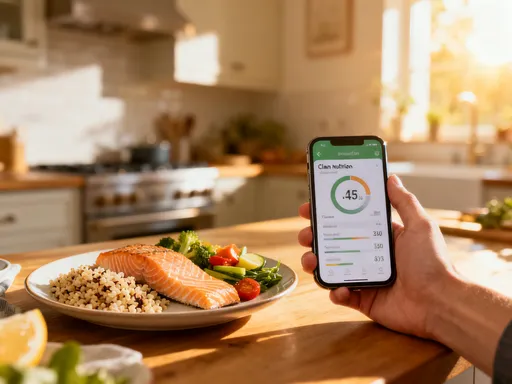
Diet is perhaps the most direct way to influence blood pressure. What you eat — and don’t eat — shapes the internal environment of your body every day. A heart-supportive eating pattern emphasizes whole, minimally processed foods rich in nutrients that help regulate fluid balance, vessel function, and heart rhythm. While no single food can reverse hypertension overnight, the overall dietary pattern has a powerful, measurable impact.
The foundation of this approach includes vegetables, fruits, whole grains, lean proteins, and healthy fats. These foods are naturally low in sodium and high in potassium, magnesium, and fiber — nutrients that work together to relax blood vessels and support healthy circulation. Leafy greens like spinach and kale, bananas, sweet potatoes, beans, and avocados are excellent sources of potassium, which helps the body excrete excess sodium and eases tension in the walls of the blood vessels. Whole grains such as oats, brown rice, and quinoa provide sustained energy and support stable blood pressure through their fiber content and slow digestion.
Reducing processed and packaged foods is one of the most effective steps. These items often contain hidden sodium — sometimes more than a day’s recommended limit in a single serving. Canned soups, frozen meals, deli meats, and snack foods like crackers and chips are common culprits. Reading nutrition labels and choosing low-sodium or no-salt-added versions can make a significant difference. Cooking at home gives greater control over ingredients and allows for flavor to come from herbs, spices, lemon juice, or vinegar instead of salt. Over time, taste buds adapt, and foods once considered bland become satisfying.
Simple swaps can transform a diet without requiring drastic changes. Replacing salty chips with a handful of unsalted nuts provides healthy fats and protein. Choosing water, herbal tea, or sparkling water over sugary sodas and energy drinks reduces both sugar and calorie intake while supporting hydration. Including plant-based proteins like lentils, tofu, or beans in place of some red or processed meats not only lowers saturated fat but also increases fiber and micronutrient intake. The goal is not perfection but progress — building a plate that consistently supports cardiovascular health. Over time, these choices add up, leading to lower readings and improved energy, digestion, and overall well-being.
Stress, Sleep, and the Mind-Body Link
The connection between the mind and body is especially evident in blood pressure regulation. Chronic stress and poor sleep are not just uncomfortable — they are physiological stressors that directly impact cardiovascular function. When the body is under constant mental or emotional strain, it remains in a heightened state of alert, releasing stress hormones that constrict blood vessels and increase heart rate. Over time, this persistent activation contributes to sustained high blood pressure, even during rest.
Sleep is equally vital. During quality sleep, the body undergoes essential repair processes, including the regulation of stress hormones and blood pressure. Blood pressure naturally dips at night, a phenomenon known as “nocturnal dipping.” When sleep is disrupted or insufficient, this dip may not occur, leading to higher average pressure over 24 hours. Research shows that adults who consistently sleep less than six hours per night are at greater risk of developing hypertension. Establishing a regular sleep schedule — going to bed and waking up at the same time every day — helps regulate the body’s internal clock and supports deeper, more restorative rest.
Relaxation techniques can play a meaningful role in daily management. Deep breathing exercises, where one inhales slowly through the nose and exhales fully through the mouth, activate the parasympathetic nervous system, which counteracts stress. Practicing this for just five to ten minutes a day can lead to measurable reductions in blood pressure. Mindfulness meditation, progressive muscle relaxation, or gentle yoga can also help calm the nervous system and improve emotional resilience. These practices don’t require special equipment or large time commitments — even a quiet moment with eyes closed, focusing on the breath, can make a difference.
Creating a bedtime routine that signals the body it’s time to wind down is another practical step. This might include turning off screens an hour before bed, reading a book, taking a warm bath, or listening to soothing music. Reducing exposure to blue light from phones, tablets, and televisions helps the brain produce melatonin, the hormone that regulates sleep. Small, consistent habits like these support not only better sleep but also improved mood, concentration, and long-term cardiovascular health. By addressing both mental and physical aspects of well-being, individuals can create a more balanced internal environment where healthy blood pressure is more easily maintained.
Tracking Progress Without Obsession
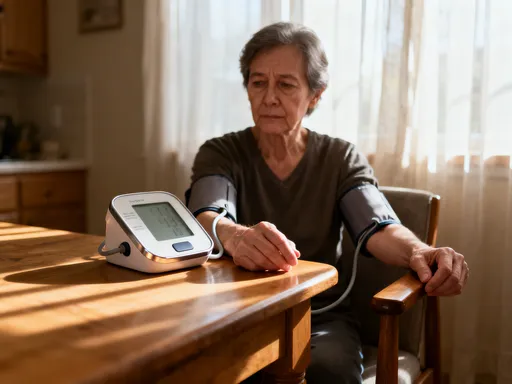
Monitoring blood pressure at home has become an important tool for many managing hypertension. Modern digital monitors are accurate, easy to use, and widely available. They allow individuals to see how daily choices — a salty meal, a stressful day, a good workout — affect their numbers in real time. This awareness can be empowering, helping people connect their actions to their health outcomes. However, it’s important to use these devices wisely and avoid falling into the trap of overchecking or overreacting to minor fluctuations.
Blood pressure naturally varies throughout the day — it’s typically lower in the morning and rises during activity or stress. Checking too frequently can lead to unnecessary anxiety, especially if readings are interpreted in isolation. Instead, experts recommend measuring at consistent times, such as in the morning before breakfast and in the evening, and recording the results over time. Looking at weekly averages or trends provides a more accurate picture than any single number. Many devices now sync with smartphone apps, making it easier to track and share data with healthcare providers.
The goal of home monitoring is not self-diagnosis but informed dialogue with a medical professional. Sharing a log of readings helps doctors assess whether treatment is working, whether adjustments are needed, or whether lifestyle changes are having the desired effect. It also reduces the risk of “white coat hypertension,” where blood pressure rises due to anxiety in a clinical setting. At the same time, it’s important to use validated devices and follow proper technique — sitting quietly for five minutes, feet flat on the floor, arm supported at heart level — to ensure accuracy.
Fluctuations are normal and expected. A single high reading does not mean failure, just as a low one does not mean the problem is solved. What matters most is the long-term direction. Are readings gradually trending downward? Are lifestyle changes becoming easier to maintain? These are the real indicators of progress. By focusing on patterns rather than perfection, individuals can stay motivated and avoid discouragement. Monitoring becomes not a source of stress but a tool for empowerment — a way to stay engaged with one’s health in a calm, constructive manner.
Building a Life That Supports Healthy Pressure
Managing blood pressure is not about short-term fixes or isolated actions — it’s about creating a life that naturally supports cardiovascular health. This means designing daily routines, home environments, and social habits that make healthy choices the default, not the exception. It’s easier to eat well when the kitchen is stocked with whole foods, to stay active when walking paths are accessible, and to sleep better when the bedroom is quiet and screen-free. These small environmental supports add up, reducing the mental load of constant decision-making and making sustainability possible.
Supportive relationships also play a role. Sharing goals with family members — cooking heart-healthy meals together, taking evening walks, or practicing relaxation techniques as a group — strengthens commitment and makes the journey more enjoyable. When others are involved, healthy habits become part of a shared lifestyle rather than a personal burden. Even small gestures, like a friend who chooses a salad instead of fries or a spouse who turns off the TV at bedtime, can reinforce positive change.
It’s also important to recognize that progress is not linear. There will be days when plans fall apart — a holiday meal, a stressful work deadline, a night of poor sleep. The key is not to aim for perfection but to return to balance. One indulgent meal does not undo weeks of effort, just as one missed workout does not erase fitness gains. What matters is the overall pattern. Small, consistent actions — choosing water over soda, taking the stairs, pausing to breathe deeply — are more powerful than dramatic but short-lived efforts.
Ultimately, blood pressure management is an act of self-respect. It’s a daily commitment to listening to the body and honoring its needs. Each healthy choice sends a message: “I matter. My health matters.” This mindset shift — from fear to empowerment, from obligation to intention — transforms the process from a medical chore into a meaningful part of life. You are not passive in this process. Your habits, your choices, your daily rhythm — these are the forces that shape your health, one decision at a time.
Managing blood pressure isn’t about fear or perfection — it’s about informed, consistent choices. Science confirms that lifestyle isn’t a side note; it’s central to control. By aligning daily habits with your body’s needs, you invest in resilience. Always consult a healthcare provider, but know this: the power to act starts with you.