What I Learned About Oral Health That Changed Everything
You probably brush every day, but do you really know what’s going on in your mouth? I didn’t—until I started noticing bleeding gums and morning breath that just wouldn’t quit. Turns out, oral health is way more than just avoiding cavities. It affects your confidence, digestion, even long-term wellness. This is what I discovered when I finally took my smile seriously—no hype, just real changes that actually stuck.
The Wake-Up Call: When My Mouth Sent Up Red Flags
It started subtly—a faint pink tint on my toothbrush after brushing, a lingering taste in my mouth each morning. At first, I dismissed it as normal. After all, wasn’t everyone a little guilty of skipping floss now and then? But when my gums began to feel tender and my breath stayed unpleasant despite mints and mouthwash, I could no longer ignore the signs. These weren’t minor quirks; they were early warnings of something deeper. The reality is, many people overlook these symptoms because they assume that as long as there’s no pain, everything must be fine. But oral health often sends quiet signals long before serious damage occurs.
One of the most common misconceptions I had to unlearn was the belief that brushing twice a day was enough. For years, I followed this routine religiously, convinced I was doing everything right. Yet, the bleeding persisted. It wasn’t until I consulted a dental hygienist that I realized how much I’d been missing. Brushing alone cannot reach the tight spaces between teeth or below the gumline where plaque builds up. That hidden plaque is a breeding ground for bacteria, leading to gingivitis—the earliest stage of gum disease. Ignoring these early signs can allow inflammation to progress, potentially resulting in periodontitis, a more severe condition linked to tooth loss.
My wake-up call came during a routine checkup when my dentist pointed out signs of early gum recession. I was shocked. I had always considered myself diligent about oral hygiene. But my habits—rushing through brushing, skipping floss, using a hard-bristled toothbrush—were actually contributing to the problem. The hygienist explained that aggressive brushing could wear down enamel and irritate gums, making them more prone to bleeding. It became clear that intention wasn’t enough; technique and consistency mattered just as much. This moment marked a turning point. Instead of treating oral care as a chore, I began to see it as an essential part of my overall health—one that deserved attention, patience, and learning.
Beyond the Toothbrush: What Most People Miss
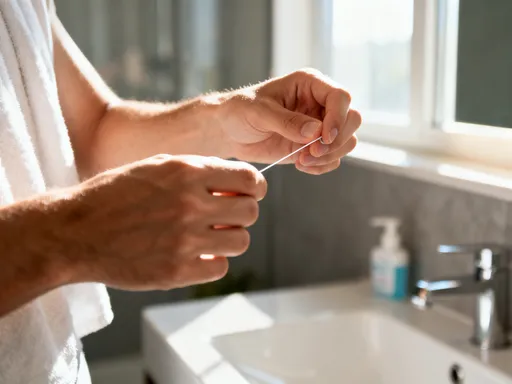
Once I accepted that brushing wasn’t sufficient on its own, I started exploring what else I should be doing. The answer was both simple and challenging: flossing. While most people know they should floss, very few do it consistently. I was no exception. For years, flossing felt like an afterthought—something I’d remember occasionally but quickly abandon when tired or busy. The turning point came when I learned that nearly 40% of tooth surfaces are not reachable by a toothbrush alone. That meant a significant portion of my teeth were being neglected every time I brushed.
Flossing isn’t optional if you want to maintain healthy gums and prevent plaque buildup between teeth. The key to making it stick was finding a method that worked for me. Traditional string floss was frustrating at first—I’d either snap it or miss spots. Switching to floss picks made a noticeable difference. They were easier to handle, especially at night when I was tired. I also began flossing before brushing, which allowed fluoride from toothpaste to reach between teeth more effectively. Over time, this small change reduced gum bleeding and made my mouth feel cleaner overall.
In addition to flossing, I discovered two other practices that transformed my routine: using an alcohol-free mouthwash and tongue scraping. Mouthwash had always seemed like an extra step with little benefit, but choosing the right kind made a difference. An antibacterial, fluoride-containing rinse helped reduce plaque and strengthen enamel without drying out my mouth. Tongue scraping was another revelation. Most people don’t realize that the tongue harbors a large amount of bacteria responsible for bad breath. Using a simple metal scraper each morning removed the white coating I hadn’t even noticed and significantly improved my breath throughout the day.
Common technique mistakes can undermine even the best intentions. For example, brushing too hard, using a worn-out toothbrush, or rinsing with water immediately after brushing all reduce effectiveness. I learned to use gentle, circular motions with a soft-bristled brush and to wait at least 30 minutes after eating before brushing, especially after consuming acidic foods. These adjustments, though minor, had a cumulative effect. Over time, my gums became firmer, my breath stayed fresher, and my dentist began noting improvements during checkups. What I once saw as a series of tedious steps became a meaningful ritual—one that protected my health in ways I hadn’t imagined.
Your Mouth, Your Body: The Bigger Health Picture
One of the most eye-opening discoveries in my journey was understanding how oral health connects to overall wellness. For years, I thought of my mouth as separate from the rest of my body—a compartment focused only on teeth and gums. But science shows that the mouth is a gateway, not an isolated system. Chronic inflammation in the gums, known as periodontitis, has been associated with several systemic conditions, including heart disease, diabetes, and even complications during pregnancy. This doesn’t mean poor oral health directly causes these conditions, but it can contribute to or worsen them through shared biological pathways.
Inflammation is the key link. When gum tissue is constantly irritated by bacteria, the body responds with an immune reaction. Over time, this low-grade, chronic inflammation can spread beyond the mouth. Research suggests that inflammatory markers in the bloodstream increase in people with periodontal disease, potentially affecting blood vessels and contributing to atherosclerosis—the hardening of arteries. While more studies are needed to fully understand the cause-and-effect relationship, the correlation is strong enough for major health organizations to take notice. The American Heart Association, for example, acknowledges the association between gum disease and cardiovascular issues, emphasizing the importance of oral care as part of heart health.
Another critical connection is with diabetes. People with diabetes are more susceptible to infections, including gum disease, due to impaired immune function and higher blood sugar levels that feed oral bacteria. At the same time, severe gum disease can make it harder to control blood glucose levels, creating a two-way relationship. Managing one condition often helps improve the other. This bidirectional link highlights why dentists often ask about family medical history and why physicians may recommend dental evaluations for patients with chronic conditions.
Oral bacteria can also travel beyond the mouth through the bloodstream, especially when gums are inflamed and bleeding. While the body usually controls these microbes, in vulnerable individuals, they may contribute to issues in other areas, such as joint inflammation or respiratory infections. This is particularly relevant for older adults or those with compromised immune systems. None of this is meant to incite fear, but rather to emphasize that oral health is not just about aesthetics or comfort—it’s a vital component of long-term wellness. Taking care of your mouth is, in many ways, taking care of your entire body.
Diet and Teeth: What Actually Helps (and Hurts)
Diet plays a powerful role in oral health, yet many people overlook how everyday food and drink choices impact their teeth and gums. Sugar is the most well-known culprit, but it’s not just candy and desserts that pose a risk. Hidden sugars lurk in unexpected places—flavored yogurts, granola bars, sauces like ketchup and barbecue, and even so-called “healthy” fruit juices. These products often contain high levels of sucrose or fructose, which feed harmful oral bacteria. When these bacteria metabolize sugar, they produce acid as a byproduct, leading to enamel erosion and cavities. The frequency of sugar exposure matters more than the amount; sipping a sugary drink throughout the day keeps the mouth in an acidic state, increasing the risk of damage.
Acidity itself is another major threat. Coffee, soda, citrus fruits, and even some diet drinks can lower the pH in your mouth, weakening enamel over time. This process, called acid erosion, makes teeth more vulnerable to sensitivity and decay. I realized I was contributing to this problem by drinking lemon water every morning and finishing the day with a glass of wine. While both have health benefits in moderation, consuming them without awareness can harm teeth. The solution isn’t to eliminate these foods entirely but to be strategic. Drinking acidic beverages with meals, using a straw, or rinsing with water afterward can help neutralize acid and protect enamel.
On the flip side, certain foods actively support oral health. Crunchy vegetables like carrots and celery act as natural cleansers, stimulating gums and increasing saliva production. Saliva is one of the mouth’s best defenses—it neutralizes acids, washes away food particles, and contains minerals that help remineralize enamel. Dairy products like cheese, milk, and plain yogurt are rich in calcium and phosphates, which strengthen teeth. Green tea contains antioxidants that reduce inflammation and inhibit bacterial growth, making it a beneficial alternative to sugary or acidic drinks.
Practical dietary swaps can make a big difference over time. Replacing soda with water or unsweetened tea, choosing whole fruits over juices, and eating cheese after meals to balance acidity are small changes that add up. I also began reading labels more carefully, avoiding products with added sugars and artificial sweeteners that can still trigger bacterial activity. These adjustments didn’t feel restrictive; instead, they empowered me to make informed choices. Over time, I noticed less plaque buildup, reduced sensitivity, and a greater sense of control over my oral health. Nutrition and hygiene, when combined, create a powerful defense against common dental problems.
The Routine That Actually Works: My Simple 4-Step System
After years of trial and error, I developed a straightforward, sustainable routine that fits into real life. It’s not about perfection or expensive products—it’s about consistency and smart choices. My 4-step system takes less than ten minutes a day and has made a lasting difference in my oral health. The first step is flossing. I do this every night before brushing, using floss picks for convenience. This ensures I don’t skip it, even on busy or tired evenings. Flossing removes plaque and food debris from between teeth, where brushing can’t reach, and prepares the surfaces for fluoride absorption.
The second step is brushing—twice a day, for two full minutes each time. I use a soft-bristled electric toothbrush, which provides a more thorough clean with less effort. The timer function helps me cover all areas evenly. I focus on gentle, circular motions along the gumline, avoiding aggressive scrubbing. After brushing, I spit out the excess toothpaste but don’t rinse with water. This allows the fluoride to remain on my teeth longer, enhancing its protective effect. Waiting at least 30 minutes after eating, especially after acidic foods, prevents enamel damage during brushing.
Step three is tongue scraping. Each morning, I use a stainless steel scraper to remove bacteria and debris from the surface of my tongue. This simple act has dramatically improved my breath and made my mouth feel fresher throughout the day. I follow this with step four: rinsing with an alcohol-free, antibacterial mouthwash that contains fluoride. This final step helps reduce plaque, strengthens enamel, and supports gum health without drying out my mouth. I use it once a day, usually at night, to extend protection while I sleep.
The tools I use aren’t expensive or hard to find. A basic electric toothbrush, floss picks, a tongue scraper, and a quality mouthwash are all available at most pharmacies. What matters most is using them correctly and consistently. I’ve found that building this routine into my daily rhythm—linking flossing to bedtime, for example—makes it easier to stick with. Over time, these steps became automatic, no longer feeling like a chore but a necessary part of self-care. The results speak for themselves: healthier gums, stronger teeth, and confidence in my smile. Consistency, not perfection, is the true key to lasting change.
When to See a Pro: Knowing the Warning Signs
No matter how diligent you are at home, professional care is essential. I used to avoid the dentist unless I had pain, believing that if nothing hurt, nothing was wrong. But many dental issues develop silently. Cavities, gum disease, and even oral cancer often show no symptoms in their early stages. That’s why regular checkups and cleanings—typically every six months—are so important. Dentists and hygienists can detect problems long before they become serious, often saving time, money, and discomfort in the long run.
There are specific warning signs that mean it’s time to book an appointment sooner. Persistent bad breath, even with good hygiene, can indicate infection or gum disease. Bleeding gums, especially during brushing or flossing, should never be ignored. Swollen, red, or receding gums are signs of inflammation that may require professional treatment. Tooth sensitivity to hot, cold, or sweet foods can point to enamel erosion, cavities, or exposed roots. Pain, lumps, or sores in the mouth that don’t heal within two weeks should also be evaluated by a professional.
During cleanings, hygienists remove tartar—hardened plaque that can’t be removed by brushing or flossing alone. They also examine gum pockets, measure recession, and screen for oral cancer. These preventive services are crucial for maintaining long-term health. I’ve learned to view my dental team as partners in my wellness journey. Asking questions, sharing concerns, and following their recommendations have helped me stay proactive. Building trust with my dentist made me more comfortable seeking care early, rather than waiting for emergencies. Prevention, not crisis management, is the foundation of true oral health.
Mindset Shift: From Routine to Lifelong Habit
The most profound change in my journey wasn’t just in my teeth—it was in my mindset. Oral care used to feel like a mundane task, something I did out of obligation. Now, it feels like an act of self-respect. Each step in my routine is a small promise to myself: I matter, my health matters, and I’m worth the time it takes to care for my body. This shift didn’t happen overnight. It grew from awareness, education, and seeing real results. As my gums healed and my breath improved, my confidence increased. Smiling felt easier, speaking in meetings felt less self-conscious, and I no longer worried about how my mouth might smell in close conversations.
This new perspective has also influenced my family. I’ve started modeling these habits for my children, not through lectures, but through example. We brush together, talk about food choices, and visit the dentist as a family. These moments have become opportunities to teach them that health isn’t about fear or punishment—it’s about care, awareness, and long-term well-being. Seeing them adopt these habits naturally has been one of the most rewarding outcomes.
Oral health, I’ve learned, is not just about avoiding problems. It’s about building a foundation for a healthier, more confident life. It’s about understanding that small daily choices—flossing, choosing water over soda, scheduling that dental appointment—add up to something significant. This isn’t a quick fix or a temporary trend. It’s a lifetime upgrade, one that anyone can start today. You don’t need expensive tools or perfect habits. You just need awareness, consistency, and the belief that you’re worth the effort. Taking care of your mouth is, ultimately, a quiet but powerful form of self-love—one that pays dividends for years to come.