How I Finally Took Control of My Habits and Why It Changed Everything
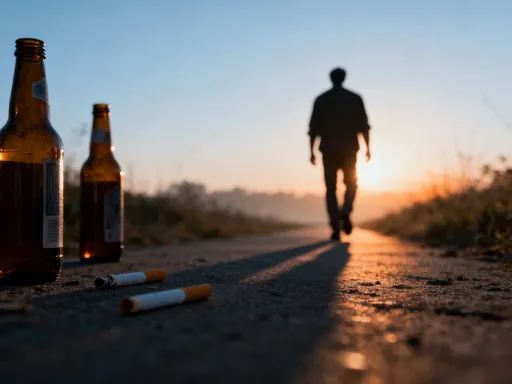
Smoking and drinking used to be my go-to coping tools—until I realized they were silently stealing my energy, focus, and long-term health. I’m not a doctor, but after years of struggle and small wins, I’ve learned what actually works. This is about real changes, not quick fixes. If you’ve ever felt stuck in the same cycle, this might be the push you need to start seeing progress—slowly, steadily, and sustainably. It wasn’t a dramatic moment that changed everything; it was a series of quiet realizations, each one adding weight to the truth I could no longer ignore: my habits were no longer serving me. They had become the very barriers to the life I wanted—one filled with vitality, presence, and peace.
The Wake-Up Call: When Habits Hit Too Close to Home
For years, I told myself I was in control. I only smoked when stressed. I only drank to unwind after a long week. But over time, those exceptions became the rule. What began as occasional relief turned into a daily rhythm I didn’t question. The turning point came during a routine doctor’s visit. My blood pressure was elevated. My energy levels were low, and I admitted I was having trouble sleeping. Nothing was critically wrong—yet—but the message was clear: if I didn’t make changes, something would be soon. That conversation lingered in my mind long after I left the clinic. I began to notice how often I reached for a cigarette when the kids were吵闹, or poured a glass of wine before dinner even started. These weren’t conscious choices anymore; they were automatic responses, like muscle memory for stress.
What surprised me most was how little pleasure I actually got from these habits. I didn’t savor the taste of smoke or the flavor of my drink. I wasn’t relaxing—I was escaping. And escape, I learned, is not the same as relief. The gap between what I intended—peace, calm, a break—and what I was actually getting—jitteriness, grogginess, guilt—grew wider every day. Awareness of this disconnect was the first real step forward. But knowledge alone didn’t change my behavior. I knew smoking was harmful. I knew excessive alcohol affected my liver and mood. Yet, I kept doing it. That’s when I realized: understanding the problem isn’t the same as solving it. Lasting change requires more than information—it requires a shift in identity, environment, and daily practice.
Why These Habits Are Harder to Break Than We Think
Breaking free from smoking or excessive drinking isn’t just a test of willpower—it’s a battle against deeply wired systems in the brain. Nicotine, for example, acts quickly on the nervous system, releasing dopamine, the brain’s “feel-good” chemical. Over time, the brain begins to associate smoking with relief, reward, and even safety. When you try to stop, the absence of nicotine doesn’t just feel unpleasant—it can feel like a threat. The body reacts with irritability, anxiety, and intense cravings, not because you’re weak, but because your brain is defending a routine it now considers normal.
Alcohol works in a similar way, though its effects are broader. It depresses the central nervous system, which can temporarily reduce anxiety and create a sense of relaxation. But with regular use, the brain adapts. It starts to rely on alcohol to achieve that calm, making it harder to relax without it. Over time, what once took one drink to achieve might take two or three—leading to a cycle of increasing consumption and decreasing satisfaction. This isn’t a moral failing; it’s neuroscience. The brain is designed to seek patterns and conserve energy, and habits—good or bad—help it do that.
Beyond the chemical dependence, there are psychological triggers that keep these behaviors alive. Stress is a major one. When overwhelmed, the brain looks for the fastest way to feel better, and if smoking or drinking has worked before, it will be the first option it reaches for. Boredom is another silent trigger. Many people light up or pour a drink not because they crave it, but because it fills a void, a pause in the day that feels empty. Social settings also play a powerful role. If your friends smoke during breaks or drink at dinner, the behavior becomes normalized, even expected. You’re not just fighting a habit—you’re navigating a web of cues, emotions, and relationships that all reinforce the same pattern.
Small Shifts That Actually Stick (No Willpower Needed)
One of the biggest misconceptions about habit change is that it requires massive willpower. In reality, the most effective strategies don’t rely on discipline at all—they rely on design. Instead of trying to white-knuckle your way through cravings, you can change the conditions that make them arise in the first place. The key is substitution: replacing the habit with something else that meets the same need, but in a healthier way. For example, when I felt the urge to smoke after a meal, I started stepping outside for a short walk instead. The ritual of stepping away, the fresh air, the movement—it satisfied the same need for pause and transition, without the harm.
Similarly, when I wanted a drink in the evening, I began making a non-alcoholic mocktail—sparkling water with lime and a splash of cranberry juice, served in a wine glass. The act of preparing it, the look of it, the taste—these small details made the experience feel intentional and satisfying. It wasn’t about deprivation; it was about redirection. Over time, my brain began to associate that moment with refreshment rather than escape. The craving for alcohol faded not because I fought it, but because I gave my brain a better option.
Equally important was changing my environment. Habits thrive on cues: the pack of cigarettes on the counter, the wine bottle in the fridge, the bar app on my phone. I removed these triggers one by one. I cleaned out my car of ashtrays. I stopped buying alcohol in bulk. I deleted the apps that made it easy to order drinks for delivery. These weren’t drastic measures—they were practical adjustments that made the healthy choice the default choice. I also restructured my routines. If I used to watch TV with a glass of wine, I started pairing that time with herbal tea and a journal. If I smoked during phone calls, I switched to pacing or stretching. Small changes, repeated consistently, reshaped my behavior without requiring constant mental effort.
How Tracking Progress Builds Real Motivation
One of the most powerful tools in my journey was simply tracking my progress. At first, I kept a small notebook where I marked each day I didn’t smoke or drink. It started as a simple checkmark, but over time, those marks formed a chain I didn’t want to break. There’s something deeply motivating about seeing your effort made visible. It transforms abstract goals into tangible results. Later, I switched to a habit-tracking app, which sent gentle reminders and celebrated milestones. These tools didn’t make me more disciplined—they made my progress more real.
Tracking also helped me recognize patterns. I noticed that I was more likely to crave a cigarette on rainy days or after arguments with my partner. I saw that I reached for wine when I was tired, not necessarily when I was stressed. This awareness allowed me to plan ahead. If I knew a tough day was coming, I could prepare with a walk, an extra cup of tea, or a phone call with a friend. Knowledge became power—not because it eliminated temptation, but because it gave me choices.
Perhaps most importantly, tracking helped me avoid the all-or-nothing mindset that derails so many people. One slip didn’t erase a week of progress. A glass of wine at a party didn’t mean I’d failed. By recording my journey honestly, I could see that progress isn’t linear. There are dips and detours, but as long as the overall direction is forward, you’re moving. Each small win—whether it was a smoke-free week or a night without alcohol—built confidence. And confidence, more than willpower, is what fuels long-term change.
Social Pressure and How to Handle It Without Drama
One of the most challenging aspects of changing habits is navigating social situations. For years, I associated gatherings with drinks. Birthday parties, holidays, even casual dinners—it was expected. When I decided to cut back, I worried about standing out, about seeming judgmental, or worse, being pressured to join in. The reality is, not everyone will understand your choices, and that’s okay. What matters is how you respond—with clarity and calm.
I learned to have a few simple, polite responses ready. When offered a drink, I’d say, “No thanks, I’m good with water,” or “I’m taking a break from alcohol right now.” I didn’t feel the need to over-explain or justify. Most people accepted it without issue. If someone pushed, I’d smile and repeat my answer. Over time, people adjusted. Some even began to respect the boundary. I also started bringing my own drink—a fancy sparkling water or a mocktail in a cocktail glass—so I never felt left out. Holding a beverage gave me the same sense of participation without compromising my goals.
With smoking, the challenge was different. In some workplaces or social circles, smoke breaks are a form of connection. I found that stepping away for a walk during those times allowed me to stay social without smoking. I’d join the group outside, chat for a few minutes, then head back in. Or I’d suggest a coffee run instead. The key was offering alternatives, not just saying no. And while not every friend supported the change at first, I learned that self-respect matters more than approval. True connection doesn’t depend on shared vices—it thrives on honesty, presence, and mutual respect.
The Unexpected Benefits You Don’t Hear About
When I first decided to quit smoking and cut back on alcohol, I expected to feel healthier. What I didn’t expect was how much better I would feel in ways that had nothing to do with my lungs or liver. One of the first changes I noticed was in my sleep. Without alcohol, I fell asleep more easily and woke up feeling rested, not groggy. My skin looked clearer. My breath smelled better. But beyond the physical, there was a mental shift. My thoughts felt sharper. I could focus longer. I wasn’t riding the highs and lows of nicotine and alcohol—I was steady.
Another unexpected benefit was the return of time. I wasn’t spending minutes each day looking for lighters, stepping outside in the cold, or recovering from a hangover. Those small pockets of time added up, and I began to use them for things that mattered—reading, walking, talking with my kids. I also noticed a quiet but growing sense of self-trust. Every time I followed through on my commitment, even in small ways, I proved to myself that I could be relied upon. That trust spilled over into other areas: I started managing my finances better, setting boundaries at work, and speaking up when I needed to.
What surprised me most was how one change led to another. Once I saw that I could change my relationship with alcohol, I became curious about other habits. I started drinking more water. I paid more attention to what I ate. I began walking every day, not as a punishment, but as a celebration of what my body could do. These weren’t forced changes—they were natural extensions of a growing sense of care. The more I treated myself with kindness, the more I wanted to protect my well-being. It wasn’t about perfection; it was about momentum.
Staying on Track—Because Relapse Isn’t Failure
No journey is without setbacks. There were days when stress overwhelmed me, and I smoked a cigarette. There was one evening when I had two glasses of wine after saying I wouldn’t. In those moments, my first instinct was to give up. I’d think, “I’ve already ruined it—might as well keep going.” But over time, I learned to reframe those slips. They weren’t failures; they were feedback. Each one taught me something—about my triggers, my limits, my needs. Instead of judging myself, I began to ask, “What led to this? What can I do differently next time?”
I also developed a reset routine for tough days. If I felt the pull of old habits, I’d take a walk, call a supportive friend, or write in my journal. I reminded myself of why I started—the doctor’s visit, the low energy, the desire to be present for my family. I didn’t try to be perfect; I tried to be consistent. And consistency, not perfection, is what builds lasting change. I learned to view health not as a goal to achieve, but as a practice to return to, again and again.
Over time, the slips became less frequent, then rare. Not because I became stronger, but because my new habits became more automatic. The walk after dinner felt natural. The glass of sparkling water felt satisfying. The sense of control became its own reward. I no longer saw myself as someone who was trying to quit—I saw myself as someone who valued health, clarity, and peace. That identity shift was the real victory.
Quitting smoking and cutting back on alcohol isn’t about perfection—it’s about awareness, patience, and consistent effort. The real victory isn’t just in the habits you break, but in the self-respect you build along the way. This journey isn’t easy, but with the right mindset and small, smart steps, lasting change is not only possible—it’s within reach. You don’t have to do it all at once. You just have to start, one choice at a time. And each choice, no matter how small, is a step toward the life you deserve—one of energy, clarity, and quiet confidence.