Tracked 300 Meals and Discovered My Energy Pattern: How a Nutrition App Quietly Changed My Life
You know that afternoon slump—when your energy crashes and all you want is a nap or a sugar fix? I used to battle it daily. Then I started logging meals in a simple nutrition app, just to see what happened. No strict diet, no calorie obsession. Just curiosity. Over weeks, patterns emerged. I noticed how certain foods quietly fueled my focus, while others dragged me down. It wasn’t about perfection—it was awareness. And that small shift changed how I eat, think, and live. It didn’t promise miracles, but it gave me something better: clarity. For the first time, I could see the invisible link between what I ate and how I felt. This isn’t a story about losing weight or chasing trends. It’s about finally understanding my body—and how a tiny habit made me feel more like myself than ever before.
The Moment I Realized Something Was Off
It started with a whisper, not a crash. I wasn’t sick. I wasn’t grieving. I wasn’t overwhelmed with work. But every day, around 2:30 p.m., I’d feel this fog settle in—like someone had dimmed the lights in my brain. I’d sit at my desk, staring at the same sentence for ten minutes, fighting the urge to close my eyes. My daughter would come home from school, full of energy and stories, and I’d smile and nod, but inside, I was dragging. I’d drink coffee. I’d eat a granola bar. I’d tell myself I just needed a better night’s sleep. But I was sleeping eight hours. Something else was going on.
One afternoon, after barely making it through a Zoom meeting, I sat at the kitchen table with a cup of tea and asked myself a simple question: Could my food be the hidden culprit? Not in a dramatic way—no allergies, no doctor’s warnings—just a quiet mismatch between what I was eating and what my body actually needed. I wasn’t eating junk. I thought I was doing pretty well: oatmeal in the morning, a sandwich for lunch, chicken and rice at night. But maybe it wasn’t about being “good” or “bad.” Maybe it was about timing, balance, and how my body responded to specific combinations.
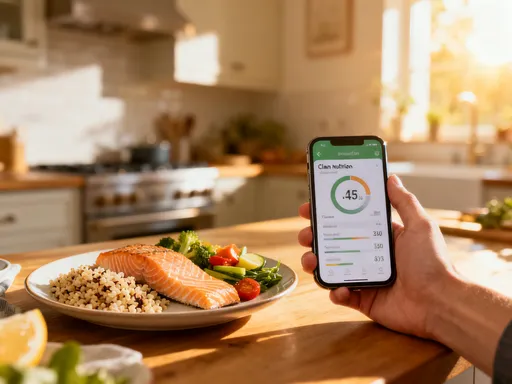
That night, I downloaded a nutrition tracking app. Not the kind that screamed at me for eating dessert or set aggressive calorie goals. I picked one that felt calm, almost gentle. No judgment. Just space to log what I ate and, over time, see patterns. I didn’t want a diet. I wanted insight. The first week was messy. I forgot to log breakfast half the time. I guessed portion sizes. I typed “coffee with milk” and “leftover pasta” and called it a day. But then, one Thursday, I had a lunch I actually planned: grilled salmon, a scoop of quinoa, and a big pile of roasted broccoli and carrots. I didn’t think much of it at the time. But two hours later, I was still focused. Still alert. Still present. And I realized—I hadn’t reached for coffee. I hadn’t felt that familiar crash. Was it the meal? Was it a fluke? I didn’t know. But I decided to keep going, just to find out.
How the App Became My Daily Compass
Here’s what surprised me: the app didn’t tell me what to eat. It didn’t say, “You must have 1,800 calories today” or “Avoid carbs after 6 p.m.” Instead, it started showing me connections. After a few weeks, I noticed a trend—on days when I logged a protein-rich breakfast, like eggs or Greek yogurt with nuts, I didn’t get those 11 a.m. hunger pangs. On days I skipped breakfast or had just toast and jam, I’d be ravenous by mid-morning and reach for whatever was easiest—usually something sugary.
The app used a simple color code: green for balanced meals, yellow for “okay but could be better,” and red for meals high in sugar or low in nutrients. At first, I bristled at the red dots. But then I realized—they weren’t punishments. They were clues. That muffin I thought was a “treat”? It showed up as red, and sure enough, two hours later, my energy dipped. That simple visual helped me start asking better questions: not “Is this food bad?” but “How does this make me feel?” The app didn’t shame me. It helped me pay attention.
Logging became part of my routine—like brushing my teeth or checking the lock on the door at night. I’d take a photo of my plate or tap in a few ingredients while my kids argued over who got the last pancake. It only took a minute, but over time, it changed how I saw my meals. I stopped thinking of them as just fuel or chores. They became data points in a personal experiment. And the more I logged, the more I noticed other things—how I slept better after a dinner with vegetables, how I felt calmer on days with more water, how my mood lifted when I didn’t skip lunch. It wasn’t magic. It was mindfulness, supported by a little technology.
From Data to Real-Life Changes
After about eight weeks, I had logged nearly 200 meals. I opened the app’s weekly summary and saw something I couldn’t ignore: my most focused, productive days lined up almost perfectly with meals that included protein, fiber, and healthy fats. On those days, I finished work early, played with my kids without feeling drained, and even had energy to read before bed. On days when I ate mostly refined carbs or skipped meals, the opposite happened—foggy thinking, irritability, and that dreaded 3 p.m. crash.
So I started making small swaps. Instead of plain yogurt with honey, I switched to plain Greek yogurt with a handful of almonds and a few berries. The difference in how I felt was subtle at first, but real. I stayed full longer. I didn’t need a snack two hours later. I started adding lentils to my salads, chickpeas to my soups, and avocado to my toast. I didn’t cut out anything I loved—just balanced it better. I still had dessert sometimes. I still ate pizza on Fridays. But now, I did it with awareness. I’d think, “Okay, this is mostly carbs. Let me add a side salad so I don’t crash later.”
One morning, my husband looked at me over his coffee and said, “You seem… lighter lately. Not in weight—just in energy. Like you’re really here.” That stuck with me. Because he was right. I wasn’t just surviving the day. I was showing up. I wasn’t snapping at the kids over small things. I wasn’t zoning out during conversations. I felt more like myself. And it wasn’t because I had more time or less stress. It was because my body had steady fuel. That’s when it hit me—this wasn’t just about food. It was about self-awareness. The app didn’t change my life. It helped me see the patterns I’d been too busy to notice.
Beyond the Plate: Unexpected Personal Growth
The biggest change wasn’t on the scale or in my jeans. It was in my mind. Tracking my meals taught me how to observe without judgment. I started applying that same mindset to other parts of my life. I noticed how late-night screen time affected my sleep. I saw how a 10-minute walk after dinner improved my mood. I even started tracking my stress levels in the app’s journal feature—just a quick note like “Meeting felt overwhelming” or “Great chat with Sarah.”
Slowly, I became my own coach. Not a strict one, but a kind, curious observer. I stopped comparing myself to influencers or magazine headlines. I stopped chasing quick fixes. Instead, I asked, “What does my body actually need right now?” That question changed everything. When I felt tired, I didn’t automatically reach for coffee. I’d think, “Did I eat enough protein today? Did I drink water? Did I move my body?” And more often than not, I could trace it back to something simple—something I could adjust.
This quiet discipline spilled into other areas. I became more patient with my kids. I set better boundaries at work. I felt more in control—not because I was doing more, but because I was paying attention. The app didn’t give me superpowers. It gave me the tools to listen. And that made all the difference. I wasn’t trying to be perfect. I was trying to be present. And that small shift made me feel stronger, calmer, and more capable than I had in years.
Making It Work for Real Life
Let’s be real—life doesn’t happen in perfect conditions. There are holidays, sick days, travel plans, and nights when the kids are up late and you just eat whatever’s in the fridge. I didn’t stop using the app during those times. I just used it differently. When I was on vacation, I didn’t log every bite. I’d log one meal a day—usually breakfast—just to keep the habit alive. When I was rushing out the door, I’d use the app’s voice note feature and say, “Oatmeal with banana and peanut butter,” and it would transcribe it later.
The beauty of the app was that it didn’t punish me for missing days. It didn’t say, “You’ve failed.” It just said, “Welcome back.” That made it sustainable. I wasn’t trying to keep a streak. I was building a relationship with my body. And relationships need flexibility. There were weekends when I ate cake for breakfast and didn’t log it. That’s okay. The app didn’t vanish. It waited for me. And when I came back, it didn’t judge. It just showed me the next pattern.
What I learned is that real change isn’t about perfection. It’s about continuity. It’s about showing up, even when it’s messy. The app worked because it fit my life, not the other way around. It didn’t demand hours of planning or expensive ingredients. It just asked me to notice. And over time, that small act of noticing became a habit—a quiet, powerful habit that helped me feel more grounded, more energized, and more like the woman I wanted to be.
Sharing the Insight—Without the Pressure
I didn’t go around telling everyone to download the app. I didn’t post about it on social media. But when a friend mentioned she was always tired, I said, “You know, I played around with a food app for a few weeks, just to see what it showed. Want to see my screen?” I showed her how my energy levels spiked after certain meals. She was curious. A week later, she downloaded it too.
Another friend, a busy mom like me, started using it and discovered she felt better when she avoided gluten—even though she didn’t have a diagnosis. She didn’t call it a diet. She called it “paying attention.” And that’s the real power of this tool—it’s not about rules or restrictions. It’s about personal truth. It’s about learning what works for *you*, not what works for someone on Instagram.
We didn’t turn into nutrition experts. We didn’t start meal prepping for the week. We just started noticing. And that small shift led to real changes. One friend started adding protein to her breakfast. Another began drinking more water. None of it was drastic. But all of it mattered. We weren’t chasing perfection. We were building awareness. And that’s something no diet plan can give you. The app didn’t fix us. It helped us fix our relationship with food—and with ourselves.
Why This Small Habit Feels Like a Big Win
Now, after tracking over 300 meals, I don’t need the app every day. The patterns are part of me. I know that if I want steady energy, I need protein and fiber. I know that sugar might feel good for five minutes, but it’ll cost me later. I eat mindfully, not out of fear or guilt, but out of respect—for my body, for my time, for my life. This journey wasn’t about weight loss or six-pack abs. It was about becoming someone who listens, learns, and grows. Quietly. Steadily. Without fanfare.
And if a simple app on my phone could help me see myself more clearly, then maybe the real technology isn’t in the device. Maybe it’s in the choice to pay attention. To care enough to notice how a meal makes you feel. To honor your energy, your focus, your mood. Because when you do that, you’re not just eating better. You’re living better. You’re showing up for your family, your work, your dreams—with more presence, more patience, more joy.
This small habit didn’t change my life overnight. But it changed it all the same. It gave me back my energy. It gave me clarity. It gave me confidence. And most of all, it reminded me that I know my body better than anyone else. I just needed a little help listening. So if you’ve ever felt tired, foggy, or just “off,” maybe it’s not you. Maybe it’s what you’re eating—and how well you’re paying attention. You don’t need a perfect diet. You just need to start noticing. One meal at a time. One day at a time. And who knows? That small shift might just change everything.